

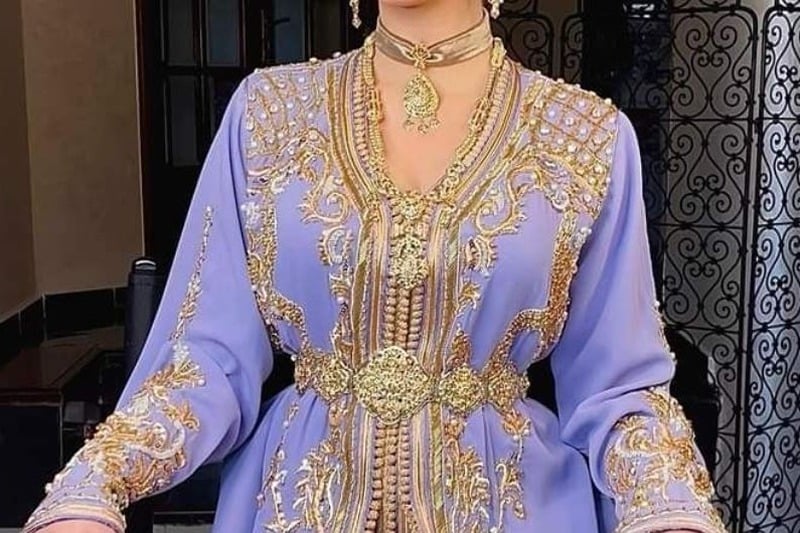
Morocco’s iconic caftan has just been added to UNESCO’s Intangible Cultural Heritage list, following a unanimous decision on Wednesday during the 20th session of the Intergovernmental Committee held in New Delhi. The move recognizes the deep cultural significance of this traditional garment and honors centuries of craftsmanship passed down through generations.
More than just a piece of clothing, the caftan represents a vibrant living tradition that continues to evolve while remaining deeply rooted in Morocco’s heritage. Worn during celebrations and special occasions across the country, it reflects the soul of Moroccan identity—rich in symbolism, artistry, and regional diversity. From intricate weaving and embroidery to design and tailoring, every caftan is the result of a collective effort involving master artisans, from textile workers and embroiderers to designers and stylists.
This official recognition shines a spotlight not only on the caftan itself but on Morocco’s broader legacy of traditional dressmaking. It acknowledges the garment’s enduring relevance and the cultural values it carries, from elegance and femininity to social status and community belonging.
UNESCO’s decision also comes at a time when Morocco is doubling down on efforts to safeguard its cultural legacy. Under the leadership of King Mohammed VI, the country has made heritage preservation a national priority, with growing initiatives aimed at celebrating and passing down its traditions to younger generations. The inclusion of the caftan in the global heritage list is both a tribute to this vision and a powerful affirmation of Morocco’s place on the world’s cultural map.


