

Morocco has announced emergency subsidies worth more than 1.6bn dirhams ($160m) each month to soften the impact of rising global energy prices.
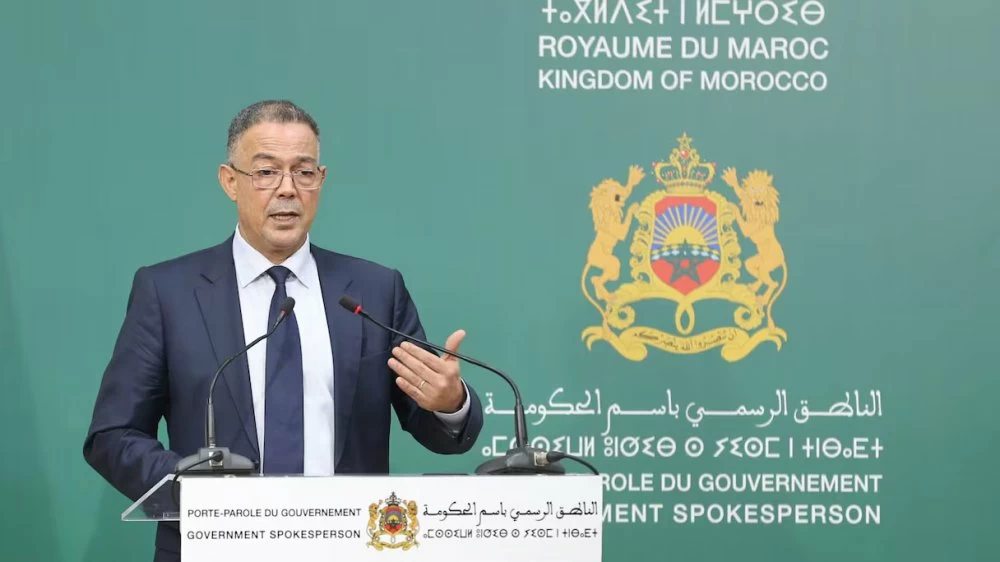
Budget minister Fouzi Lekjaa said the move is meant to protect household spending and business costs as tensions in the Middle East push fuel prices up.
Oil prices rose 44% in March, with the average barrel hitting $100, up from $70. Diesel jumped 75% and butane gas rose 38%. Natural gas prices climbed 63% and coal increased 21%, making electricity more expensive to produce.
The plan focuses on three steps.
Cooking gas prices will stay the same. The subsidy for a 12kg gas bottle has increased from 30 to 78 dirhams. This costs the state about 600m dirhams a month.
Electricity prices will also stay frozen. The government will spend around 400m dirhams each month to avoid raising power bills.
Transport workers will get direct help. Freight, passenger, school, tourism and rural transport operators will receive 3 dirhams per litre of fuel from 15 March to 15 April. This costs about 648m dirhams for the month.
The total monthly cost is more than 1.6bn dirhams. Officials say the plan could change depending on global energy prices.
Morocco imports over 90% of its energy, which makes it very sensitive to global price changes. Subsidies are handled through the Compensation Fund, which the country still uses during price shocks.
Coal and natural gas are still key for electricity even as Morocco invests heavily in renewable energy, aiming for more than 52% of installed capacity by 2030. Since the Maghreb-Europe Gas Pipeline closed in 2021, Morocco has relied on gas from Spain and local production.