
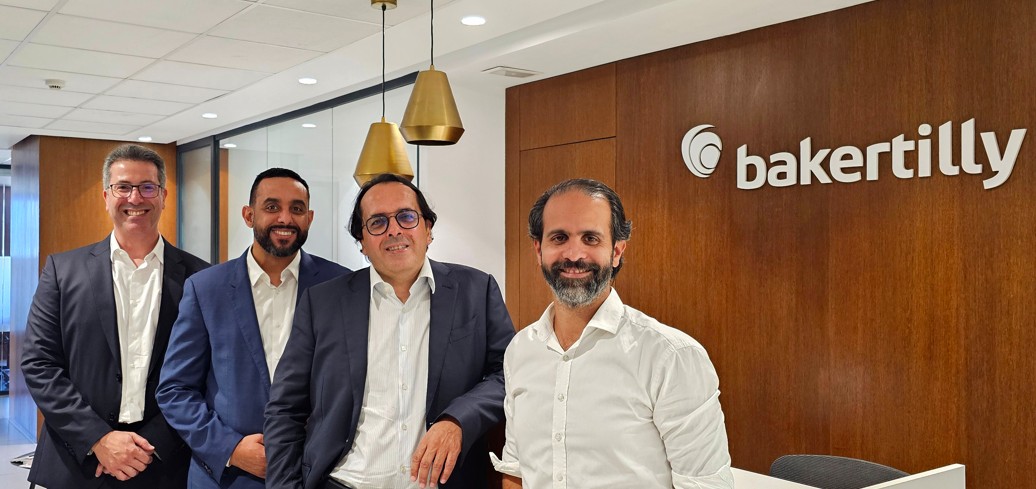
Moroccan consulting firm SEVEN has joined the international Baker Tilly network and will now operate under the name Baker Tilly SEVEN.
The move comes as Morocco’s digital economy continues to expand. The country’s digital transformation market reached $1.66 billion, or around 16.6 billion dirhams, in 2025 and is expected to grow to 20 billion dirhams by 2030. Internet access now reaches 92.2% of the population, while government programmes such as Digital Morocco 2030 and the Cloud First policy are pushing more organisations to adopt new technologies.
Founded in 2017, SEVEN works with large companies and public institutions on digital transformation, data management and AI projects. The firm has more than 60 consultants and experts and operates across Morocco and Africa in sectors including banking, insurance, agribusiness, real estate, mining, asset management and public services.
Following the integration, Baker Tilly Morocco will have nearly 200 professionals. The company says the deal strengthens its ability to help organisations modernise their operations and improve efficiency.
The new Baker Tilly SEVEN will offer services in digital strategy, data governance, artificial intelligence and technology integration. It plans to support clients from the early planning stage through to the implementation and large-scale rollout of digital and AI solutions.
The firm will be led by SEVEN founders Tarik Sekkat and Jalal Benabdouh. It will also work with Baker Tilly teams in Morocco and abroad to support local, regional and international clients, particularly in the banking and financial sectors and across the Middle East and Africa.
Its services will focus on five areas: business and process transformation, digital platforms, data architecture and governance, artificial intelligence solutions, and systems integration.
The company says it will help clients use technologies such as generative AI, intelligent automation, document processing tools, customer verification systems known as KYC, credit assessment tools, compliance solutions and fraud detection systems.
The expansion comes as many businesses move beyond small digital projects and look for more structured technology programmes.
While large companies and banks have made progress, many businesses still have work to do. Around 60% of traditional industrial and commercial small and medium-sized enterprises in Morocco still rely on outdated IT systems, which can slow down growth and make it harder to compete.
Interest in AI is also growing. Customer service automation accounts for 67% of AI investment projects in Morocco, followed by marketing at 54% and logistics operations at 48%.
At the same time, businesses face increasing pressure to comply with Morocco’s data protection law and protect themselves against rising cyberattacks across the Middle East and North Africa region.
Baker Tilly Morocco said the integration is part of its plan to offer a wider range of services and provide clients with financial, regulatory and technology expertise through a single partner.