
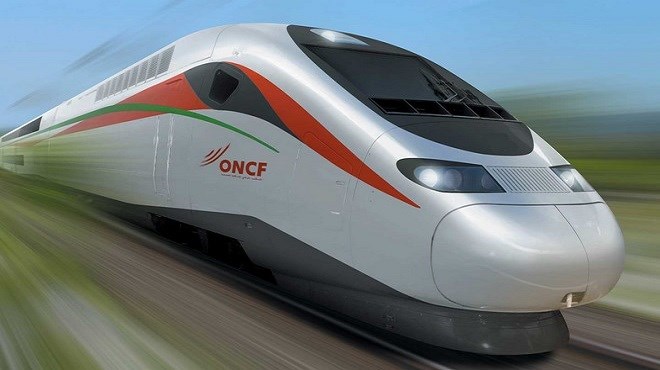
During the 2025 Africa Cup of Nations, Morocco’s national railway operator rolled out an ambitious plan to handle the massive surge in travel between host cities, showcasing its ability to support a major international event with efficiency and scale.
More than a quarter of a million football fans traveled across the country by train, thanks to the deployment of 251 additional trains during the tournament. In total, over 1,000 trains operated, offering more than 342,000 seats and achieving an impressive average occupancy rate of 84 percent. On its busiest day, the ONCF broke multiple records, transporting over 95,000 passengers on rapid shuttle trains and more than 25,000 on the high-speed Al Boraq line.
Special efforts were made to ensure easy access to stadiums. In Rabat, the Rabat Riad station—conveniently located near the Moulay Abdellah sports complex—recorded 113 exceptional stops from both the northern and southern parts of the country. Meanwhile, in Marrakech, Sidi Brahim station was refurbished specifically for the event, allowing 74 train stops and easing the flow of fans. Overall, this expanded service led to a 7 percent increase in rail traffic during the tournament.
The ONCF also played a key role in transporting seven national teams, officials from the Confederation of African Football, and special guests. These VIPs traveled aboard Al Boraq, Al Atlas, and shuttle trains in top-tier conditions. To manage this large-scale operation, the ONCF coordinated movements through nine major stations, supported by a dedicated operations center and round-the-clock staffing on the ground.
One standout initiative was the “Yalla CAN Pass,” which allowed fans to travel flexibly during the tournament. The offer proved hugely popular, with 20,000 passes sold and more than 85,000 trips taken. Almost half of these were made by international visitors, underlining the growing appeal of Morocco’s rail network for fans coming from abroad.
More than 800 ONCF employees across various roles were mobilized for the event. The entire fleet remained fully operational, ensuring that travelers enjoyed a smooth, safe, and high-quality experience throughout the competition.
This large-scale mobilization reaffirmed ONCF’s vital role in managing logistics for major events and its ongoing commitment to sustainable mobility. At the same time, it reinforced Morocco’s position as a regional leader capable of hosting world-class sporting events with style and efficiency.