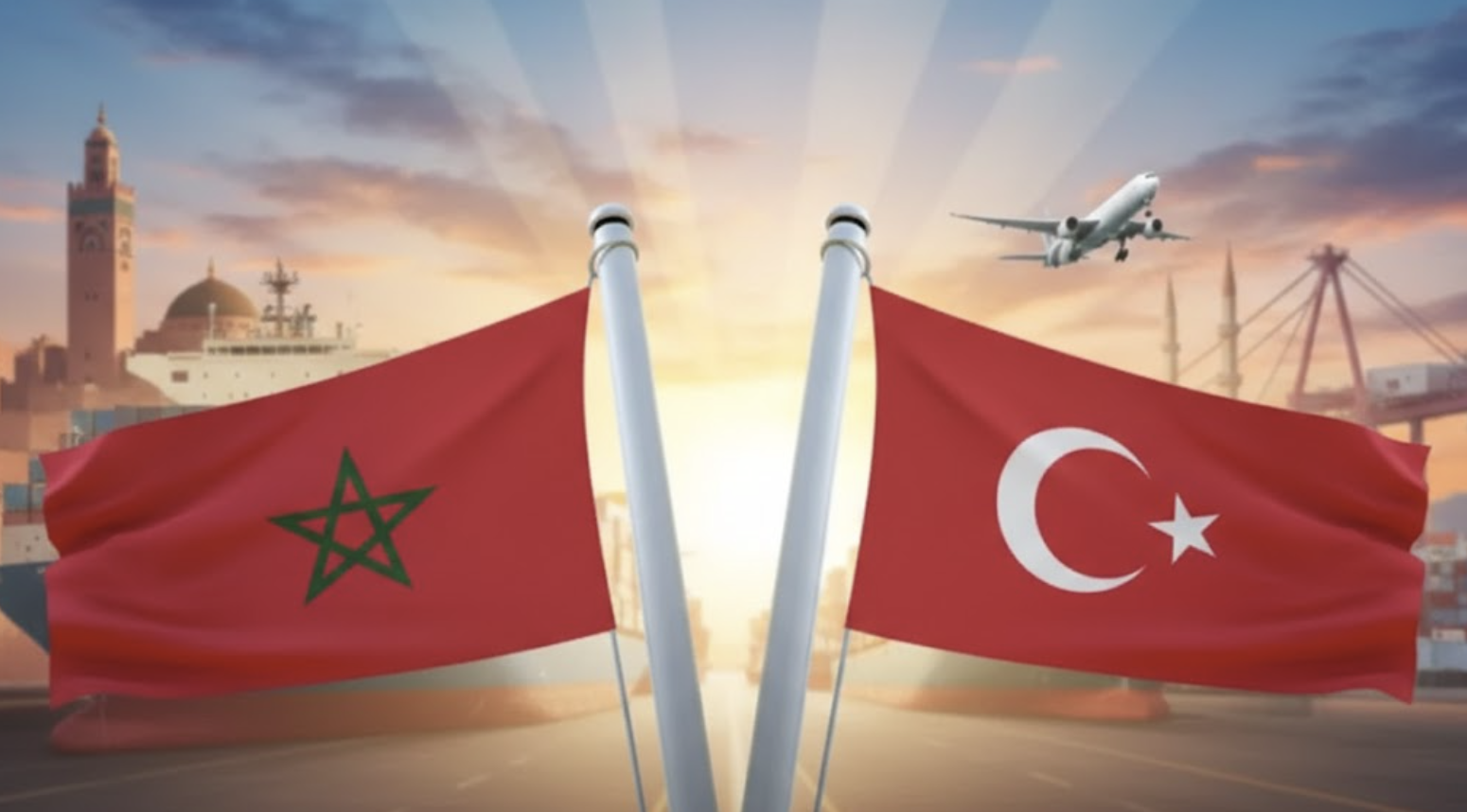
Trade between Morocco and Turkiye reached $5bn for the first time in 2025, setting a new record nearly 20 years after the two countries signed a free trade deal.
Morocco’s ambassador to Ankara, Mohammed Ali Lazreq, told the Anadolu Agency that ties between Rabat and Ankara have gained “tangible momentum” in recent years, mainly in business and trade.
“Trade volume has, for the first time since the free trade agreement entered into force, surpassed the $5bn level,” he said.
The free trade deal, signed in 2006, was meant to boost business between the two countries. But it also caused tension as Morocco began buying far more from Turkiye than it was selling.
In 2020, Morocco changed parts of the deal and raised customs duties by 90 percent on some Turkish textile products to protect local factories and jobs. At the time, former Industry Minister Moulay Hafid Elalamy said the trade gap linked to the deal had reached MAD 18bn. He warned that Morocco’s textile industry had lost 44,000 jobs in 2017 alone.
He also criticised the rapid growth of Turkish discount supermarket chain BIM in Morocco, saying dozens of small neighbourhood shops closed each time a new store opened nearby.
BIM denied harming the local economy. The company said it buys 85 percent of the products it sells from Moroccan suppliers and employs more than 3,000 people in the country.
Ambassador Lazreq admitted that the current trade pattern still benefits Turkiye, as strong demand in Morocco for Turkish goods has widened the trade gap. He said officials in both countries are working on a more balanced plan that benefits both sides.
There are signs of change. Instead of sending finished clothes from Turkiye, some Turkish textile companies have started producing in Morocco, opening factories in cities such as Tangier and Casablanca. Moroccan firms are also buying Turkish fabric rather than ready-made clothes, allowing them to keep “Made in Morocco” labels while staying competitive.
By late 2025, Morocco’s textile sector employed more than 220,000 people, helped by growing demand from European brands and a shift by companies to produce closer to Europe.
Morocco is also promoting itself as a transport and industry hub linking Europe and Africa. The expansion of the Tanger Med port has strengthened that role, giving Turkish companies easier access to European and West African markets.
Looking ahead, Morocco is inviting Turkish firms to invest in major projects linked to the 2030 World Cup, which it will co-host. Plans include building stadiums, expanding rail lines and adding more hotels.
Mr Lazreq said the tournament will create new investment opportunities and called for deeper ties, urging Turkish companies to see Morocco not just as a market, but as a long-term partner.