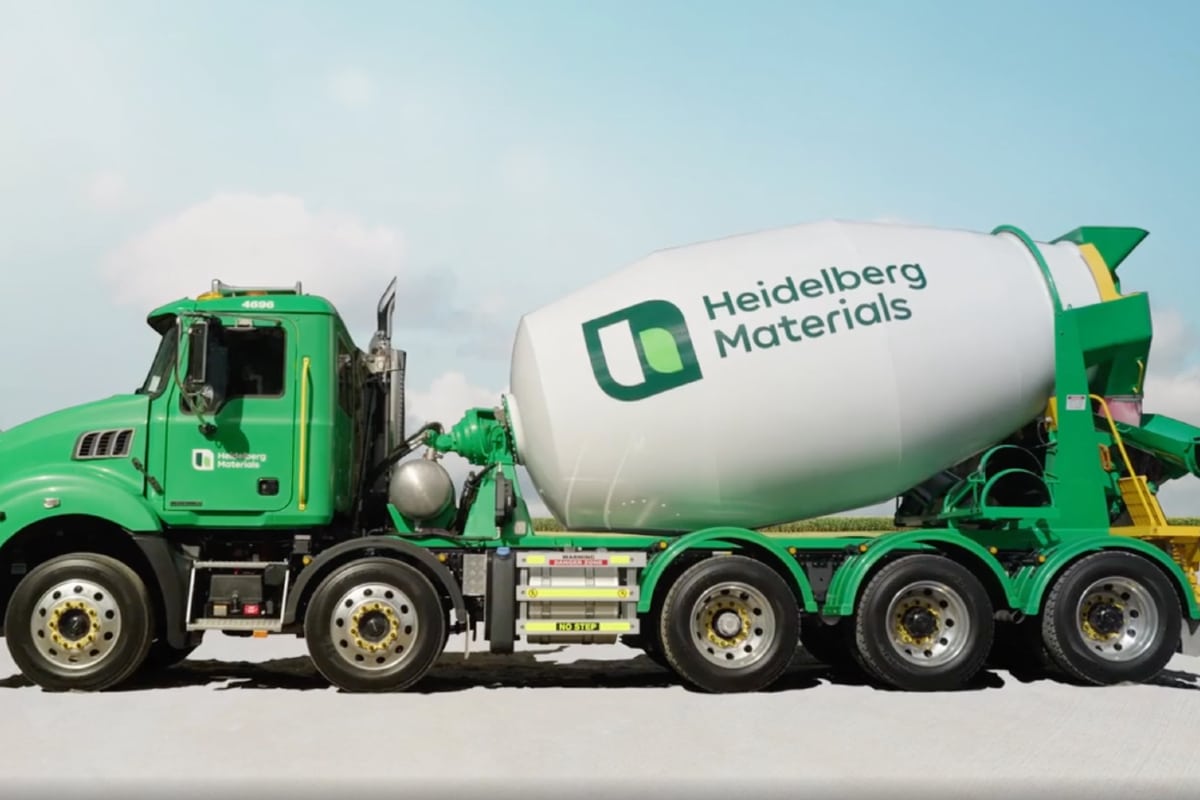
Heidelberg Materials has reported solid results for 2025, helped by strong performance in its Africa–Mediterranean–Western Asia region, where Morocco plays a major role.
Revenue for the year reached €21.46bn, slightly higher than in 2024. Operating profit rose 6% to a record €3.38bn. The operating margin improved to 21.8%. Adjusted earnings per share climbed to €12.4.
The Africa–Mediterranean–Western Asia region stood out. Revenue increased by more than 14%, while operating profit rose nearly 36%. The regional margin exceeded 27%. In the fourth quarter, operating profit was up 25%.
The group strengthened its presence in Morocco in 2025 by completing the purchase of Asment Témara. The move expands its production network along the Atlantic coast and helps reduce transport costs.
Morocco is seeing strong demand for building materials due to large infrastructure projects linked to preparations for the 2030 World Cup. These include the Grand Stade in Benslimane, the expansion of the high-speed rail line towards Marrakech and Agadir, a rail tunnel in Rabat, and major seawater desalination plants in Casablanca and other cities.
These projects require high-quality concrete and specialist products. This allows the company to sell higher-value materials, not just standard cement, and provides more stable orders through public contracts.
Across the group, cost savings reached €380m in 2025 under its transformation plan. Free cash flow stood at €2.1bn. Shareholder returns rose to €1.1bn, up 10%, while debt remained under control.
The company also cut its carbon emissions per tonne of cement to 512kg. It increased the use of alternative fuels and reduced the share of clinker, a key source of emissions. In Europe, it introduced a low-emission cement made using carbon capture technology.
In Morocco, the focus is on increasing the use of alternative fuels such as waste materials to reduce dependence on imported fuel and lower costs.
For 2026, the company expects operating profit between €3.40bn and €3.75bn, with returns above 10% and a further small reduction in emissions.
North Africa, led by Morocco, is set to remain a key driver of growth.