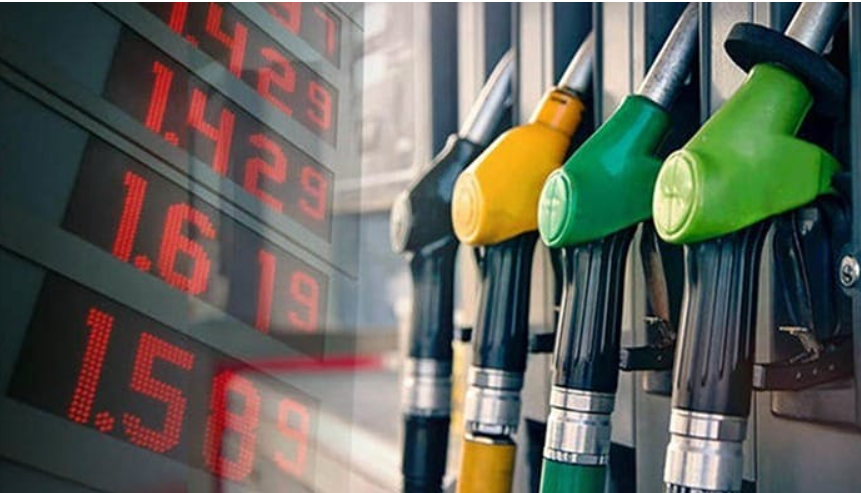
Petrol prices in Morocco are expected to rise sharply after US-Israel strikes on Iran raised fears of a disruption at the Strait of Hormuz, a key route for global oil.
The narrow waterway carries almost a fifth of the world’s oil. Even a short blockage could push crude prices higher, hitting Morocco hard, since the country imports nearly all of its fuel.
Analysts say Brent crude could jump $10–$20 per barrel immediately if the Strait is blocked. A longer disruption could push prices above $100 a barrel. A six-week closure could add an $18 per barrel “risk premium,” according to Goldman Sachs. History shows markets overreact. The 1973 oil embargo saw prices quadruple, and the 1979 Iranian Revolution more than doubled them due to small supply drops.
What This Means
Distributors like Afriquia, TotalEnergies, and Shell set fuel prices in Morocco. They adjust prices based on their own costs and profit margins. But analysts use a rough guide. A $10 rise in Brent usually adds 0.80–1.20 MAD per litre at the pump.
| Scenario | Brent Price | Diesel (MAD/L) | Petrol (MAD/L) |
|---|---|---|---|
| Current (2 March 2026) | $73 | 10.82 | 12.51 |
| Moderate spike | $90 | 12.50–13.00 | 14.20–14.70 |
| Major disruption | $110 | 14.80–15.50 | 16.50–17.20 |
| Total blockade | $140+ | 18.00+ | 20.00+ |
During the 2022 energy crisis, diesel peaked at 15.60 MAD and petrol at 18.00 MAD in some areas. After US-Israel strikes on Iran, a Hormuz blockade could push prices even higher because it threatens a bigger share of the world supply.
Even if global oil prices fall after a spike, Moroccan drivers often see pump prices stay high. Two reasons explain this: prices rise quickly during panic but fall slowly (the “rocket and feather” effect), and oil is traded in dollars, so a weaker Dirham raises local prices.
Markets are already pricing in a small rise of 0.40–0.60 MAD per litre in the next mid-month pricing cycle, purely on the threat of conflict, before any tanker is delayed.
Government Measures
Morocco keeps strategic fuel reserves that can cover 60–100 days of use. These can be released to avoid shortages. The government can also give direct help to transporters to prevent spikes in food and goods prices.
But the closed SAMIR refinery in Mohammedia limits the country’s ability to refine fuel locally. Morocco has to rely more on imported fuel, which makes it more sensitive to international price swings.
Long-term, the government is investing in more storage and changing the National Office of Hydrocarbons to reduce dependence on global oil. The 2026 budget assumes Brent at $65 per barrel, so any spike above $100 would put pressure on public finances.