South Korean rail manufacturer Hyundai Rotem will build a major ONCF train production plant in Benguerir in a project valued at nearly $1.5bn.
The plant will be located within the railway cluster of the National Railway Office (ONCF) in the province of Rhamna. It will specialise in multi-energy trains and is expected to support technology transfer, local integration and the development of advanced industrial skills.
The investment forms part of a wider national rail programme, backed by the Regional Investment Centre of Marrakech-Safi, which is coordinating land allocation, permits and interagency approvals.
Officials say the approach is designed to ensure swift implementation and avoid administrative delays.
The project sits within ONCF’s large-scale modernisation strategy, estimated at around $9bn to $10bn, aimed at upgrading infrastructure by 2030. The programme is linked to preparations for major international events, including the 2030 World Cup, which Morocco will co-host with Spain and Portugal.
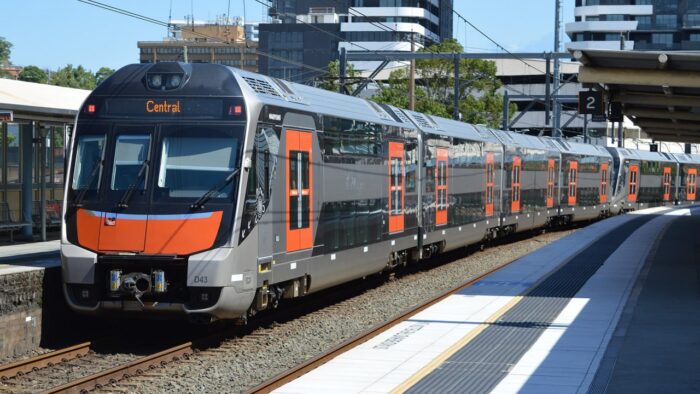
Under the fleet renewal plan, 168 new trains have been ordered. Hyundai Rotem secured 110 double-deck electric trains for regional and commuter services, forming the largest share of the contract. The agreement is worth close to $1.5bn and includes local manufacturing commitments.
The localisation requirement forms part of Morocco’s ambition to reach 60% domestic integration in the rail sector, shifting from equipment imports to local production.
Other contracts include high-speed trains from Alstom and intercity trains from CAF.
Why Benguerir
Benguerir is being positioned as a green industrial and innovation hub. It hosts the Mohammed VI Polytechnic University and the Green Energy Park, providing access to engineering talent and research capacity relevant to multi-energy rail technology.
The city is also home to a newly designated 138-hectare industrial acceleration zone, intended to attract high-tech manufacturing with streamlined procedures and incentives.
Its location between Casablanca and Marrakech places it along the strategic north-south transport corridor and near planned rail extensions, reinforcing its logistical appeal.
National network transformation
The factory will supply rolling stock for several major projects, including:
• The extension of the high-speed line from Kenitra to Marrakech, adding 430 km of dedicated track and reducing travel times significantly
• New regional express networks around Casablanca, Rabat and Marrakech, designed to run trains every 7 to 15 minutes
• Station upgrades aimed at creating integrated transport and commercial hubs
Heavy construction on the high-speed extension began in late 2025, including major viaducts and a tunnel under Rabat.
Once complete, travel times between major cities are expected to fall sharply. For example, the Tangier to Marrakech journey is projected to drop to around two hours and 40 minutes, compared with up to seven hours currently.
Feasibility studies for a future Marrakech to Agadir link have already been completed.