
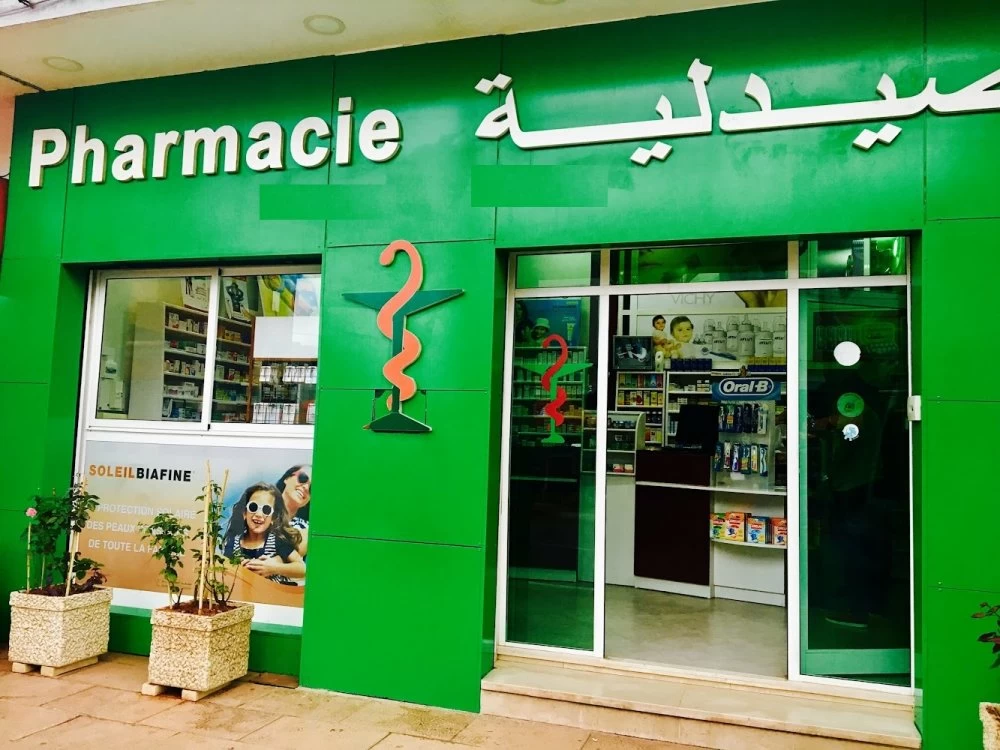
Morocco is planning changes to its pharmacies to keep up with growing healthcare needs, as more people get social protection and medical coverage, the country’s Competition Council says.
Ahmed Rahhou, president of the council, said Morocco’s medicine market is worth around 25 billion dirhams ($2.5bn) a year. About 13 billion of that goes through wholesalers who supply the country’s 14,000 pharmacies, roughly one for every 2,600 people, more than the World Health Organization recommends.
Rahhou said the problem isn’t just about money. It’s also about making sure people can get medicines when they need them, and that pharmacies provide good service. Some stores have short opening hours, and expensive medicines aren’t always easy to find. Pharmacists play a key role in checking prescriptions and guiding patients.
The council is exploring ways to improve the system. Ideas include merging pharmacies, having more than one pharmacist in a store, or allowing outside investors to help modernise pharmacies. Any changes would still require a licensed pharmacist to give out medicines. Better cooperation between pharmacies could also help prevent shortages and make medicines easier to get.
Pharmacies are under pressure. More pharmacy graduates and shrinking profits have left some stores struggling financially. Some also have trouble getting costly medicines, which makes them harder to find in certain areas.
Generics are seen as a big opportunity. Morocco produces about 70% of its medicines locally but still relies on imports for ingredients and newer treatments like biologics. The council suggests letting pharmacists offer cheaper generic options when doctors don’t object.
Current law says pharmacists must fully own their stores, which limits investment. Changes could allow shared ownership and give pharmacists bigger roles, such as vaccinations, screenings, and advice for chronic patients. This would move them from just selling medicine to helping with healthcare.
Other priorities include using digital systems to manage stock and electronic prescriptions, and improving medicine tracking to prevent counterfeits.