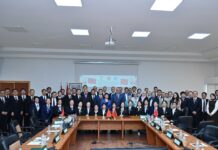
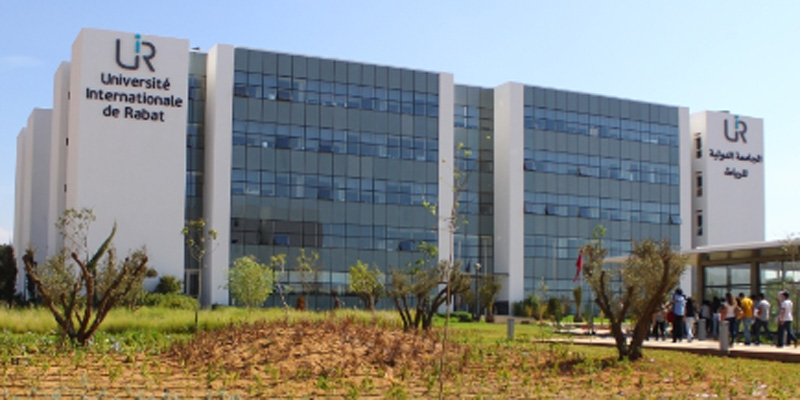
Rabat is hosting HTIC 2026, a conference on new ways to train healthcare workers, from 26 to 28 March at the International University of Rabat.
More than 50 experts from over 25 countries are taking part. The event includes four gatherings at once: the main HTIC congress, the first pan-Arab simulation conference Mohakate 2026, SimTech 2026 for technicians and the HackMed 2026 hackathon.
The conference is organised by Morocco Sim and led by Professor Mohammed Mouhaoui, an anaesthesia and intensive care specialist.
In an interview with Santé Mag Maroc, Professor Mouhaoui said artificial intelligence is now used at every stage of training. “AI can intervene well before simulation sessions by programming scenarios and enabling pedagogical alignment between the objectives of the scenarios and the session itself.”
He said some training mannequins can now react like real patients. “There are simulation mannequins that are ‘responsive’. They are equipped with AI systems that allow them to respond as if they were a natural human being.”
The conference focuses on improving patient safety by allowing healthcare staff to practise without risk. “70% of errors that lead to deaths were human. The role of simulation is to ensure that this human error, instead of being penalising, becomes positive.”
Interest in medical simulation grew after a 1999 US report found that tens of thousands of hospital deaths each year were caused by preventable medical errors. The report said many mistakes were linked to stress, poor communication and fatigue.
This year’s event includes the first pan-Arab conference on medical simulation. Professor Mouhaoui said Morocco is playing a leading role. “Out of 22 Arab countries, only three have a scientific society, including Morocco, which is the most active.” The goal is to create shared standards and help more countries set up their own simulation organisations.
Medical simulation in Morocco expanded after a new training centre opened in Casablanca in 2009. At the time, there were few trained instructors, so the focus shifted to training teachers and launching a university diploma in simulation in 2018. Today, training includes doctors, nurses and technicians.
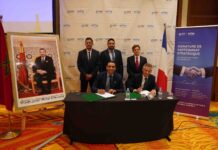
The programme features workshops, talks and demonstrations. A new international partnership called the World SimCup was also launched to standardise simulation competitions worldwide.