Morocco earned more than 26bn dirhams from car exports in the first two months of 2026. That is 10.3% more than the same period last year, according to the Foreign Exchange Office.
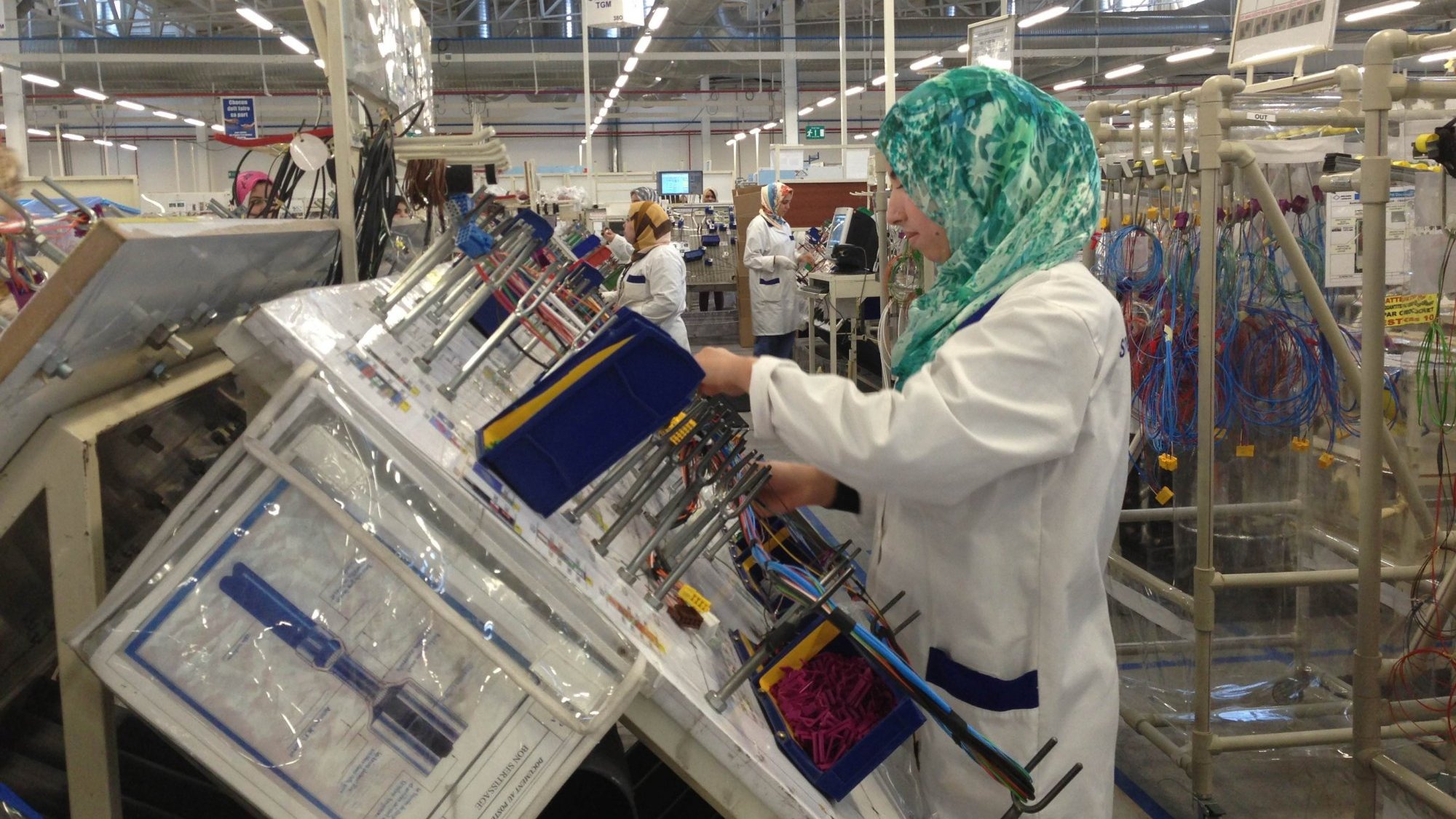
The biggest growth came from car wiring, which rose 14.8% to 10.66bn dirhams. Vehicle production exports also grew 14.5% to 9.44bn dirhams.
Aircraft industry exports increased 16.5% to more than 5.2bn dirhams. Aircraft assembly sales jumped 27.2%, although wiring systems for aircraft fell slightly by 2.1%.
Meanwhile, some traditional sectors saw declines. Phosphates and related products dropped 16.5%. Textiles and leather fell 9.2%. Agriculture and food exports decreased 3.7%.
Overall exports still rose by 2%, reaching more than 74.8bn dirhams by the end of February.
The figures show Morocco is relying more on factories and advanced industries to grow exports.
The car and aircraft industries are now the main drivers of export earnings. Strong growth in car wiring and vehicle production shows Morocco is moving into higher-value manufacturing. Aircraft exports are rising as global demand for planes recovers.
Older sectors faced challenges. Phosphate exports often change with global fertiliser prices, while farming exports were affected by drought.
These results follow years of government investment to turn Morocco into a manufacturing hub for Europe and other markets.
Morocco is now Africa’s largest passenger car producer, making more than one million vehicles each year. The main production centres are in Tangier and Kenitra, supported by more than 250 international suppliers.
The country is also one of the world’s top exporters of car wiring.
The government is now focusing on electric cars and battery production to keep up with Europe’s move away from petrol and diesel vehicles.
Aircraft exports have been rising for years, helped by the Midparc industrial zone near Casablanca. Major global companies such as Boeing, Airbus and Safran use Moroccan-made parts in their supply chains.
The country is now aiming to produce more complex components and offer maintenance services.
Morocco’s success is closely linked to its infrastructure. Tanger Med port connects to more than 180 ports worldwide and allows Moroccan products to reach Europe in less than 48 hours.
The car industry is moving quickly into electric vehicles. Battery factories backed by Chinese companies are being built, and Moroccan brand Neo Motors has started producing its first fully Moroccan-designed electric car.
Tesla has also opened a local subsidiary in Kenitra and is investing about $2.8m in assembly and charging stations.
About 69% of car components are now made locally in Morocco.
Morocco aims to produce two million vehicles a year by 2030. The focus is now shifting from producing more cars to creating more value through research, engineering and new technologies such as hydrogen mobility.