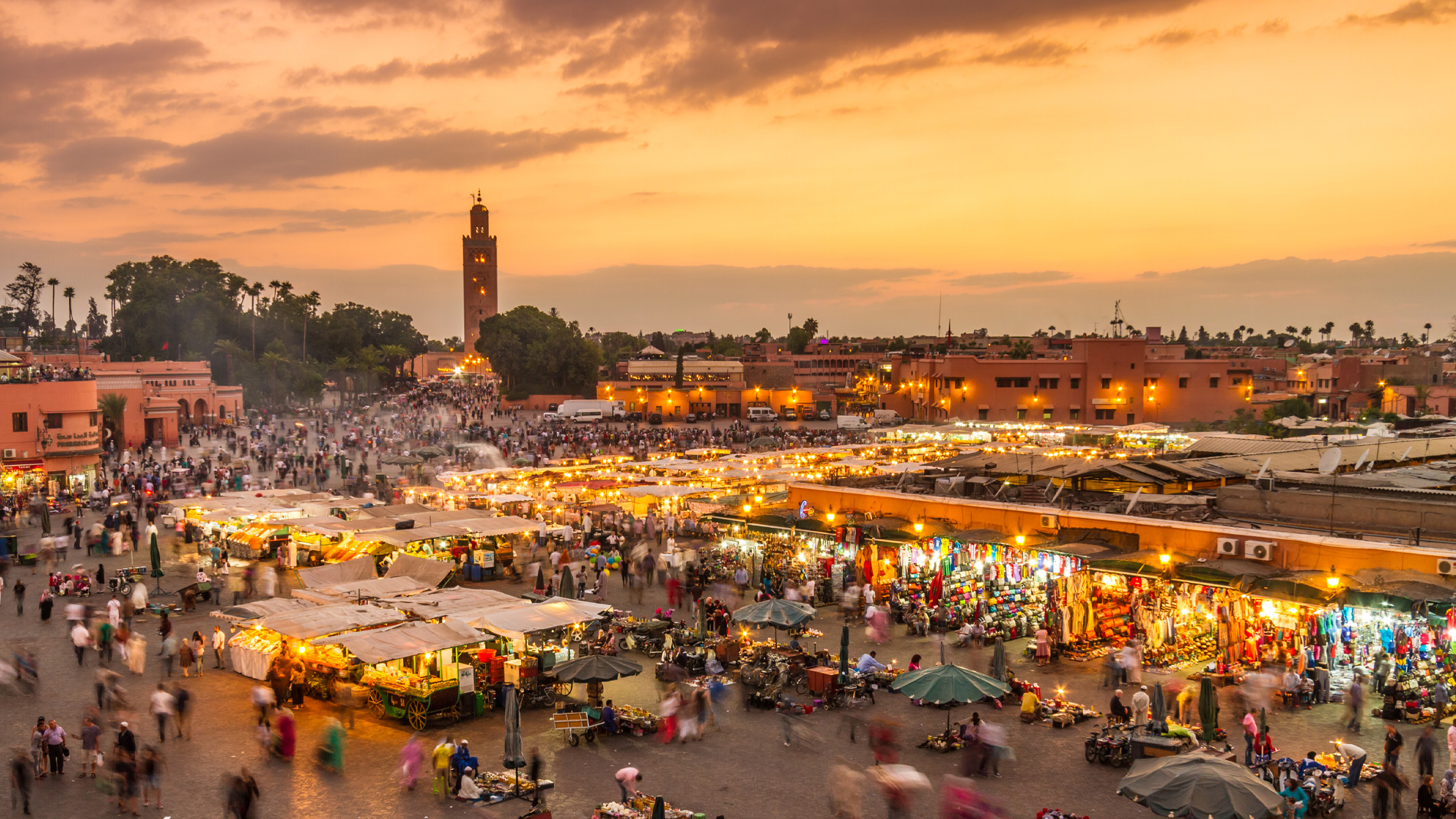
Marrakech will host an international conference on tourism investment and innovation on 24 April. The event is being organised by the Ministry of Tourism, Handicrafts and Social and Solidarity Economy, alongside the Moroccan Society of Tourism Engineering (SMIT) and UN Tourism.
It is the second edition of the “Innovation and Tourism Investment” conference and forms part of Morocco’s 2023–2026 tourism plan. The government aims to attract 17.5 million visitors and create 200,000 jobs by the end of 2026.
Officials say the aim is to strengthen Morocco’s position as a tourism investment centre in Africa, while improving services and using more digital tools across the sector.
More than 150 participants are expected, including international investors, venture capital funds, business angels and Moroccan start-up founders. The Secretary-General of UN Tourism, Shaikha Nasser Al Nowais, is due to attend.
A key feature of the conference will be the “Tourism Tech Adventures” awards, which recognise start-ups working in three areas: digital services for travellers, gaming and entertainment linked to tourism, and innovation in Moroccan food and cooking.
The event is linked to Morocco’s longer-term goal of becoming one of the world’s top 15 tourism destinations by 2030.
The SMIT is responsible for attracting investment and developing tourism projects. It is currently focusing on creating dedicated tourism areas along the Atlantic and Mediterranean coasts.
Tourism infrastructure continues to expand. Morocco now has more than 304,000 hotel beds across about 5,000 establishments. More than 100 new hotels are opening each year, with international groups including Four Seasons, Marriott and Hilton expanding in the country.
Much of the investment is linked to preparations for the 2030 FIFA World Cup, which Morocco will co-host with Spain and Portugal. Transport and hotel projects are being accelerated to meet expected demand.
The plan also ties into the “Digital Morocco 2030” strategy, which aims to introduce more technology into tourism, including AI travel tools and digital payment systems.
Tourism has continued to grow strongly. Morocco has added new air routes from European markets, including Germany, to improve connections. By July 2025, the country had already welcomed 11.6 million visitors.