Morocco is becoming more important in global supply chains as Russian mining company Nornickel keeps using Tangier as a major transit point for its exports.
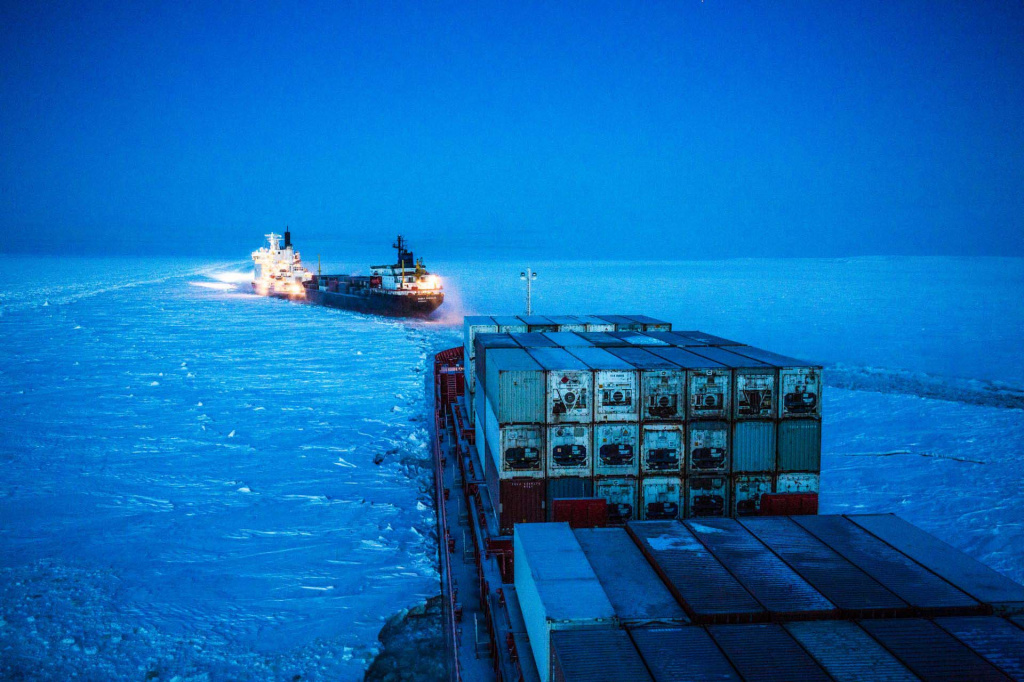
Nornickel, one of the world’s biggest producers of palladium, nickel and copper, has changed its shipping routes because of tensions affecting the Strait of Hormuz and the Suez Canal. Ships are now travelling around the Cape of Good Hope instead. This adds about three weeks to delivery times and increases transport costs.
Even with the longer routes, the company still relies on Tangier and Rotterdam to distribute metals to Europe, the Americas, Asia and North Africa. Nornickel says higher metal prices are helping cover the extra shipping costs and that global demand remains steady.
Tangier Med becoming a key hub
The Tangier Med port complex is now central to Nornickel’s global distribution plans. The longer route around southern Africa adds about 21 days, but the company sees Morocco as a more reliable and predictable option in the current geopolitical climate.
Experts say this shift reflects years of investment by Morocco in modern port infrastructure designed to handle the world’s largest ships. Tangier Med is now the biggest container port in Africa and the Mediterranean.
Morocco’s logistics push
Over the past two decades, Morocco has invested heavily to become a logistics hub connecting global trade routes.
The country sits at the Strait of Gibraltar, making it a natural stop for ships moving between the Atlantic and the Indian Oceans. Its ports are linked to high-speed rail and motorways, making it easier to store, move and process goods.
Nornickel produces about 40% of the world’s palladium and a large share of high-grade nickel. These metals are essential for car catalytic converters and electric vehicle batteries, so any disruption can affect the global car industry.
Wider changes in shipping and industry
Many ships are now avoiding the Red Sea, which has increased traffic around southern Africa and boosted demand for refuelling stops in ports like those in Morocco and South Africa.
Metal prices have also been volatile because of supply worries. Longer shipping times could force manufacturers to keep larger stockpiles, which may push up prices for electronics and electric vehicles.
Nornickel’s move also fits a wider trend known as nearshoring. European companies are trying to bring supply chains closer to home. Morocco has recently signed deals with Chinese and Western battery manufacturers to build gigafactories, strengthening its role in the global tech and energy supply chain.