
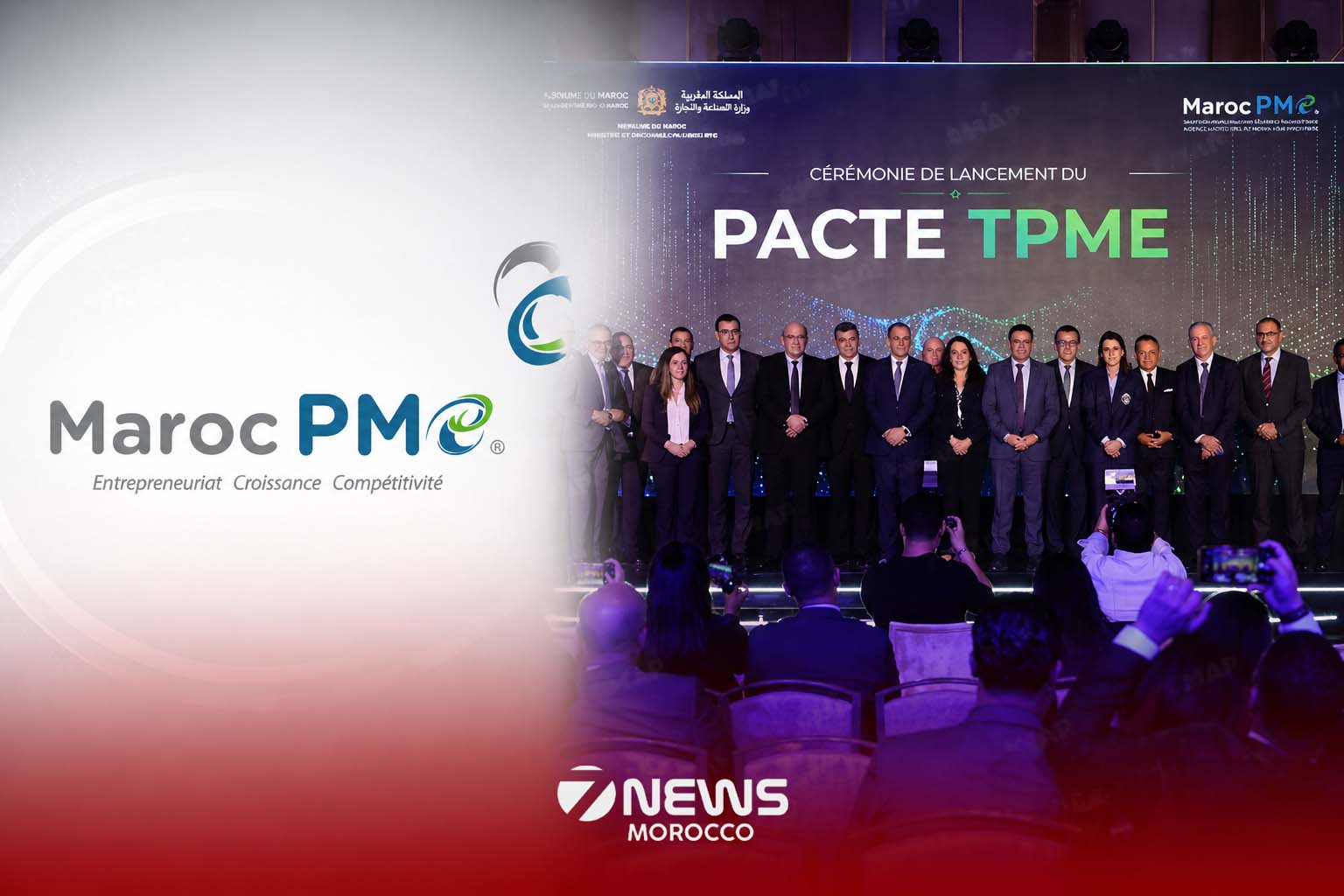
Morocco has launched a national programme to support the growth of small businesses. The initiative, PACTE TPME, was introduced by Maroc PME, the National Agency for the Promotion of Small and Medium Enterprises. It aims to speed up the growth and digital transition of very small, small and medium-sized enterprises across the country.
The programme is part of the 2026 to 2030 agreement between the government and Maroc PME. It is a key tool of the ORBIT 2030 strategy to strengthen the national economy.
Industry and Trade Minister Ryad Mezzour led the launch event. Tourism Minister Fatim Zahra Ammor and Chakib Alj, President of the General Confederation of Moroccan Enterprises, also attended. Director General Brahim Arjdal presented a new visual identity for Maroc PME.
PACTE TPME provides support based on each company’s stage of development. It focuses on technical upgrading, resilience and competitiveness. Partnership agreements were signed to support rollout across all regions.
The programme supports the goal of producing more goods locally instead of importing them. It aims to help small workshops grow into factories that can supply global companies such as Boeing and Stellantis operating in Morocco.
European carbon border measures are increasing pressure on exporters. The programme will help companies adopt renewable energy and Industry 4.0 technologies such as artificial intelligence and automated supply chains.
The programme also targets cooperatives, rural businesses and the social and solidarity economy. The aim is to improve access to funding and reduce regional economic gaps.
Banks are expected to support financing. The programme builds on the Intelaka initiative by shifting focus from starting businesses to helping them expand. It targets companies that are too large for microfinance but too small for traditional corporate credit.