
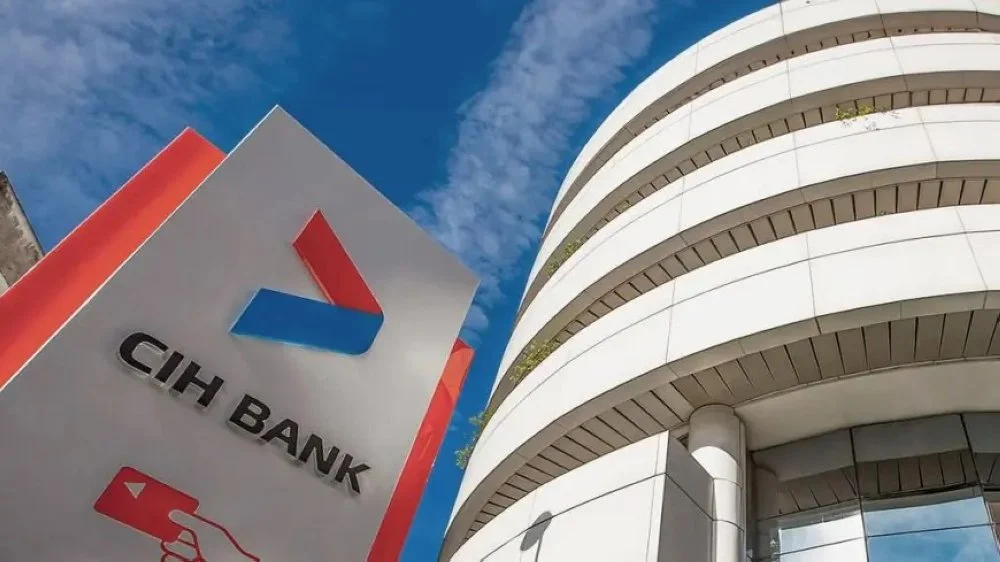
CIH Bank has raised 750 million dirhams through a bond sale to strengthen its finances and support future lending as it expands its business.
The Moroccan bank said it issued perpetual subordinated bonds through a private placement for qualified investors.
The bonds were issued in a single tranche with an interest rate that will be reviewed every year.
They are not listed on the Casablanca Stock Exchange. Instead, they exist only in electronic form and are registered with authorised financial intermediaries. They can also be traded and settled through Maroclear, Morocco’s central securities depository.
CIH Bank said the money will strengthen its regulatory capital, improve its financial position and help fund its growth plans.
“This issuance aims to strengthen the bank’s regulatory capital. This supports its financial solidity and enables it to continue funding its development plan and expanding its activities during the coming phase,” the bank said.
It added: “This operation falls within its strategy aimed at strengthening its capital base to keep pace with the growth of its business and enhance its capacity to finance the national economy and meet the needs of its customers in various sectors.”
Perpetual bonds do not have a maturity date, so the bank does not have to repay the original amount by a fixed deadline. Instead, investors receive interest payments over time.
The bonds are also subordinated, which means investors would be repaid only after depositors and other senior creditors if the bank were to fail.
Because of these features, regulators allow banks to count this type of funding as Tier 2 regulatory capital. This helps banks improve their capital strength without issuing new shares.
CIH Bank sold the bonds through a private placement to institutional investors rather than the public. Such investors usually include pension funds, insurance companies and asset managers.
The additional 750 million dirhams will give the bank more room to grow its lending while meeting banking capital requirements.