The African Development Bank (AfDB) has approved a €100 million ($117 million) loan for Gotion Power Morocco to build a large electric vehicle battery factory in the Atlantic Free Zone in Kenitra.
The factory will make lithium iron phosphate (LFP) battery materials, cells and battery packs for electric vehicles. AfDB also plans to raise up to another €141 million from financial partners for the project under the New African Financial Architecture for Development (NAFAD).
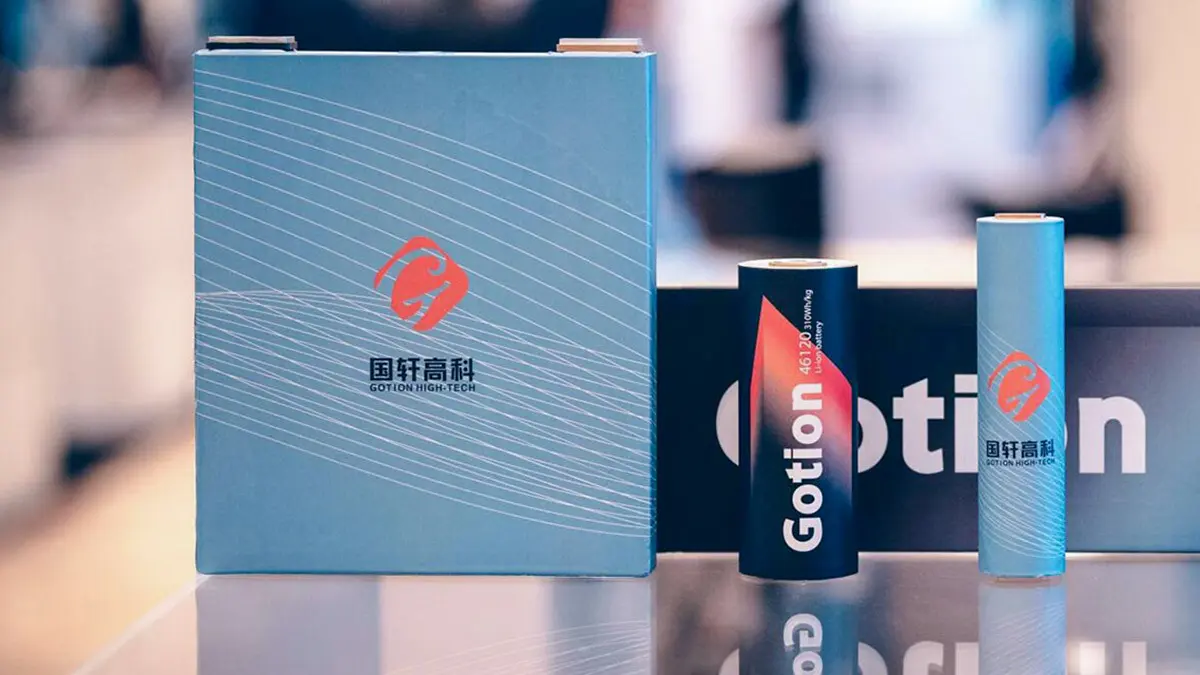
Chinese battery maker Gotion High-Tech is leading the project. The company, based in Hefei and listed on the Shenzhen Stock Exchange, will build the first fully integrated battery factory in Africa and the Middle East and North Africa (MENA).
The first phase will produce 10 gigawatt-hours (GWh) of battery cells and packs a year. Production will later increase to 100 GWh.
A 10 GWh factory can supply batteries for about 150,000 to 200,000 electric cars each year. At full capacity, the plant could produce enough batteries for up to two million vehicles a year.
The project is expected to create more than 600 direct jobs in the first phase. It also aims to source 70% of its industrial inputs locally, helping build local supply chains and technical skills.
The factory will produce lithium iron phosphate (LFP) batteries, a technology widely used by car makers including Tesla and BYD. LFP batteries are cheaper to make than nickel-based batteries because they do not use cobalt or nickel. They also last longer and are less likely to overheat.
The batteries have an energy density of 160-210 Wh/kg, a volumetric density of 350-420 Wh/L and a nominal voltage of 3.2 volts per cell. They can last between 3,000 and more than 6,000 full charge and discharge cycles while keeping about 80% of their original capacity. Thermal runaway begins at around 270°C, compared with about 210°C for many nickel-based battery chemistries.
The plant will use lithium, iron, phosphate, graphite, copper and aluminium. It will also benefit from the country’s large phosphate reserves, which are used to make LFP cathodes.
Kenitra was chosen because it is close to major car factories, including the Stellantis plant, and has road, rail and port links through Tanger Med. Manufacturing batteries with mainly renewable electricity could also help exports meet European Union low-carbon rules.
Kevin Kariuki, AfDB Vice President for Power, Energy, Climate and Green Growth, said battery storage was “the missing link in Africa’s clean energy transition.”
“A facility of this scale, powered mainly by renewable energy, strengthens the necessary foundations for large-scale integration of solar and wind energy, on which our grids increasingly rely,” he said.
“This is precisely the type of project capable of providing reliable, low-carbon energy while creating green industrial jobs and developing resilient value chains that Africa needs for a successful energy transition.”
Achraf Tarsim, AfDB’s country manager for Morocco, said the factory would strengthen the country’s industrial base.
“This gigafactory will serve as a powerful catalyst to enhance Morocco’s industrial competitiveness and accelerate its emergence as an African manufacturing platform for sustainable mobility industries,” he said.
“It will contribute to the emergence of an African industrial ecosystem for batteries and electric vehicles, while promoting local processing of critical minerals essential to the energy transition.”