Morocco is attracting more foreign investment in industries such as manufacturing, green hydrogen, renewable energy and logistics, according to the United Nations Conference on Trade and Development (UNCTAD). The country is part of a small group of African economies, alongside Egypt and South Africa, that are attracting investment in these sectors.
The trend comes as companies look for new production sites and supply chains. Energy, infrastructure, technology and critical minerals are becoming major targets for investors.
Africa received about $70bn in foreign direct investment (FDI) in 2025. It was the continent’s third-highest figure since 1990.
The figure was lower than the $94bn recorded in 2024, but remained about one-third above Africa’s long-term average.
Morocco had a strong year. FDI inflows almost doubled, rising 91% to $3.3bn in 2025, from $1.74bn in 2024.
The total stock of foreign investment in the country passed $80.8bn, equal to nearly 49% of GDP.
Industry remains a key attraction
Large manufacturing projects are helping drive investment.
Stellantis is putting $1.5bn into the expansion of its car plant in Kenitra.
Chinese battery maker Gotion High-Tech is also developing an electric-vehicle battery gigafactory in Morocco. The project could eventually attract up to $6.5bn and is expected to become Africa’s first EV gigafactory.
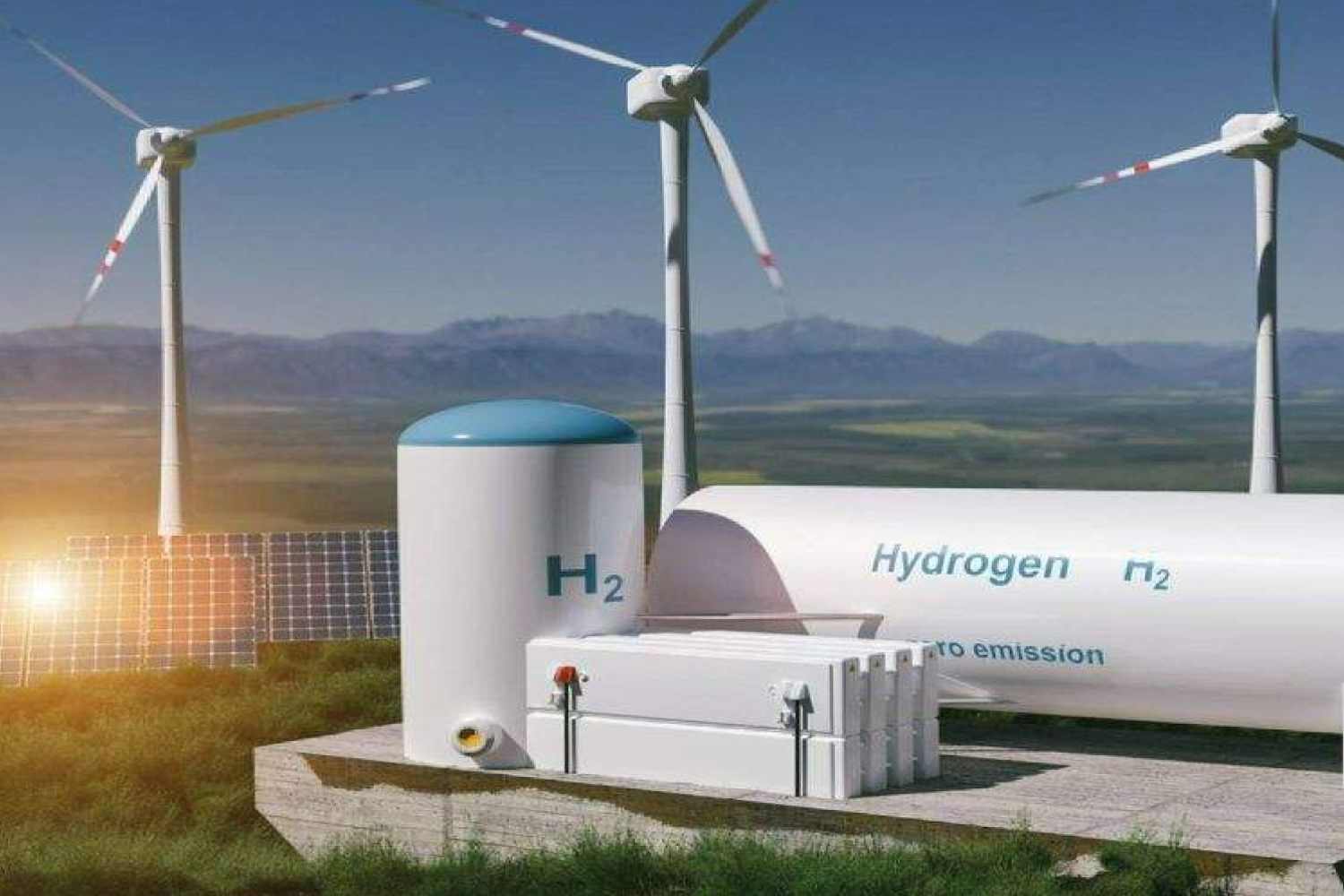
Green hydrogen is another major part of the investment strategy.
The government has made 1 million hectares of public land available for green hydrogen projects under the “Morocco Offer”.
Developers received 300,000 hectares during the first phase. The land is spread across Guelmim-Oued Noun, Laâyoune-Sakia El Hamra and Dakhla-Oued Eddahab.
The government has also approved initial proposals for projects worth more than $30bn.
The companies and groups involved include TotalEnergies, Ortus, Acciona, Nordex, TAQA, Cepsa, Nareva and ACWA Power.
One TotalEnergies project alone is valued at €9.4bn.
The projects aim to produce about 20GW of renewable energy and 10GW of electrolysis capacity.
The planned output includes green ammonia, synthetic fuels and green steel. Some will be used by local industry, while other products will be exported to Europe.
Strategic sectors are growing
Investment in strategic industries has grown sharply around the world.
These sectors accounted for 44% of the total value of new greenfield investment projects in 2025. The figure was only 16% in 2020.
The value of announced projects in these industries jumped from about $109bn to $576bn in five years.
Investors are putting more money into AI infrastructure, semiconductors, critical minerals, clean-energy technology and advanced manufacturing.
Investment remains heavily concentrated, however.
The three biggest investing economies accounted for 72% of the total value of strategic projects in 2025. The three biggest destination economies received 56%.
Gulf countries and Asian economies are also becoming bigger investors in Africa. Much of their money is going into energy, logistics, real estate and infrastructure.
Africa gets more projects but less money
The number of new greenfield projects announced in Africa increased in 2025.
The total value of those projects fell by about one-third.
The figures point to a shift towards a larger number of smaller investments rather than a few very large projects.
Global FDI rose by 6% in 2025 to about $1.6 trillion.
Developing economies received $901bn of that investment.
The recovery remains “fragile and uneven”, with more than 80% of global FDI flows going to the top 20 recipient economies.
The challenge for Morocco
Getting foreign companies to invest is only part of the job.
The bigger question is how much of that investment stays in the local economy.
UNCTAD wants African countries to connect foreign projects with local manufacturers, suppliers and service companies.
That could create more jobs, transfer technology and help local companies grow.
Green hydrogen projects, for example, could support local production of green steel and other industrial goods instead of simply producing energy for export.
Better energy and transport networks will also be needed. Countries need stronger industrial skills, more support for local suppliers and better preparation of large projects.
UNCTAD also points to the African Continental Free Trade Area (AfCFTA) as a way to connect markets and build regional supply chains.
Morocco has several advantages in this competition. It is close to European markets, has strong links with African economies and is attracting investment from European, Asian and Gulf companies.
The race for investment in clean energy, AI, advanced manufacturing and critical minerals is expected to become more competitive.
Morocco is already attracting a growing share of that investment.