Solar panels could soon be installed on the water at 12 dams in the Sebou basin. The Hydraulic Basin Agency of Sebou (ABHS) is preparing a study to see which dams are suitable for floating solar power plants. The study will look at the technical, environmental, energy and legal issues involved. The dams include Al Wahda, Idriss 1st, El Kansera, Ouljet Essoltane, Sidi Chahed, the Allal Fassi complex, M’daz, Bab Louta, Bouhouda, Sahla, Asfalou and Garde de Sebou.
They are spread across Kénitra, Khémisset, Ouazzane, Moulay Yacoub, Sefrou, Taza and Taounate.
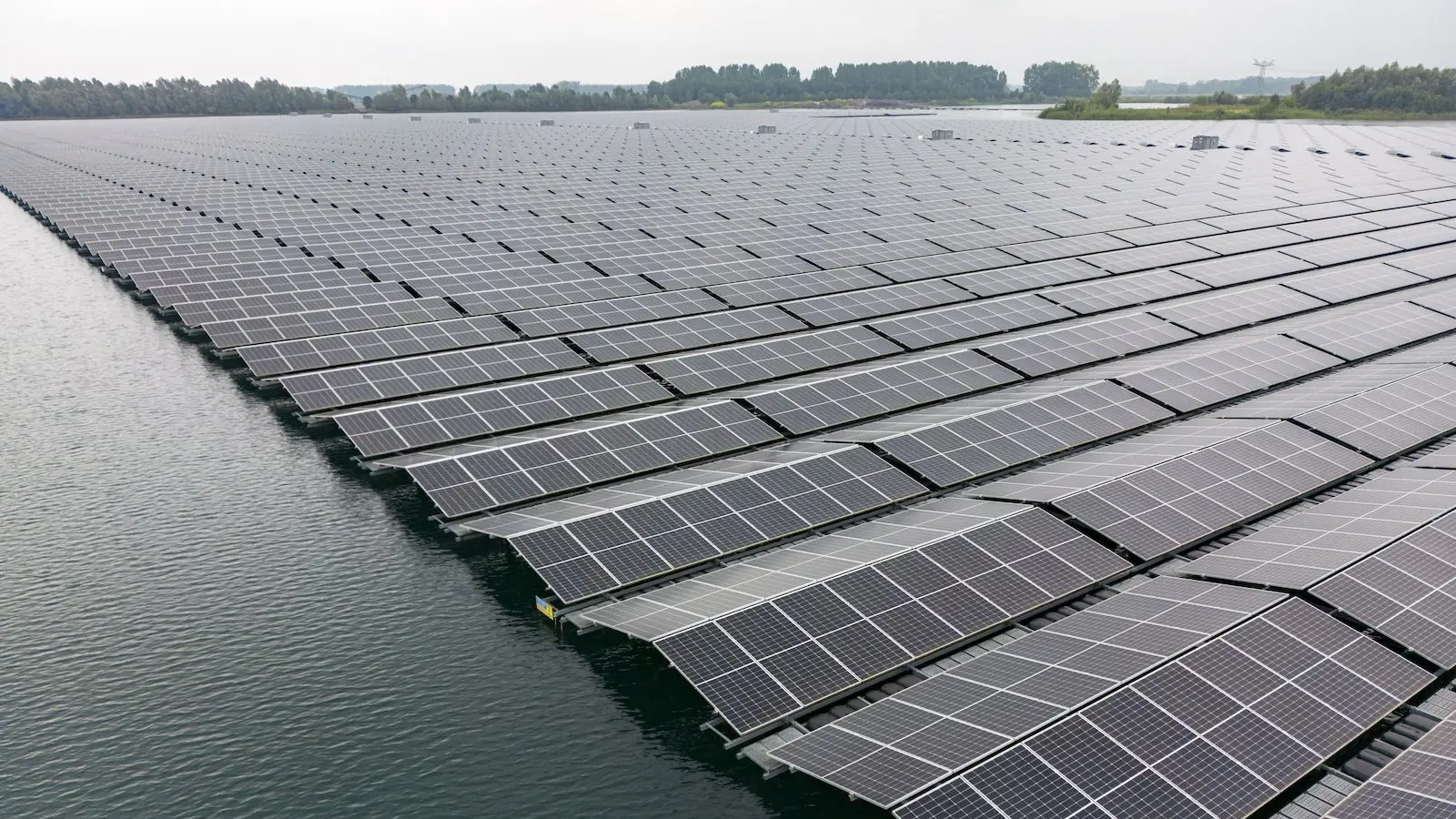
Floating solar uses platforms that carry solar panels on the surface of reservoirs. The main benefit is that the panels do not need land, which can be important in areas used for farming.
The panels could also reduce water loss from evaporation by covering part of a reservoir. This could be useful after several years of drought and water shortages.
The study will compare the 12 dams and identify those with the best potential. It will look at how much water surface could be used, how the panels would affect dam operations, how much electricity they could produce and how they could connect to the power grid.
The agency will also study the cost of the projects and possible ways to develop them. These could include public-private partnerships, concessions and projects run by independent power producers.
Some dams already have power infrastructure. Al Wahda and Idriss 1st, for example, are connected to the electricity grid.
The study will eventually identify priority sites for more detailed engineering and financial work. It will also set out a plan for developing projects in the short, medium and long term.
The move comes as the country works to increase renewable electricity and manage water resources during a period of prolonged water stress.