A $3.5bn bid to buy La Samir oil refinery has been rejected by the Commercial Court in Casablanca. The offer came from UAE-based MGM Investments in early 2026, according to Jeune Afrique. The refinery has been shut down and under bankruptcy proceedings for 10 years. The court rejected the bid because it did not see enough proof that the company could complete the deal and restart the refinery. The UAE group has no previous experience in the energy sector, according to the magazine.
The court has now rejected at least 15 bids since the sale process started in 2017.
The repeated failed bids have left the future of La Samir unclear. Some political and economic groups are now calling for the state to take control of the refinery.
The Democratic Confederation of Labour has proposed a bill to transfer La Samir’s assets to state ownership. The Finance Committee of the House of Councillors approved the bill on 9 June, but the chamber later rejected it.
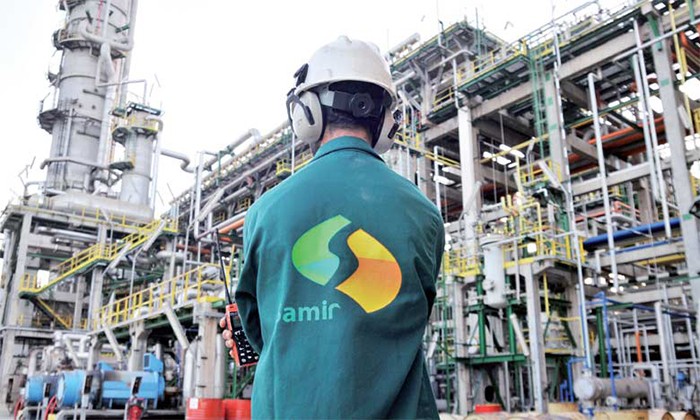
La Samir, based in Mohammedia, was once able to refine up to 10 million tonnes of oil a year. It also had storage capacity of 2 million cubic metres.
The refinery was built in 1959 through a partnership between the Moroccan Bureau of Industrial Studies and Investments and Italian energy company Eni, through its Anic subsidiary.
The state took control of the refinery in 1973 after the global oil crisis. La Samir later became part of a wider push to reduce the country’s dependence on imported fuel.
The refinery was privatised in 1997. Saudi businessman Mohammed Al Amoudi bought it through his Corral Petroleum group for 4bn dirhams.
The deal included five years of customs protection. It also required about 5bn dirhams of investment in the Mohammedia and Sidi Kacem facilities.
Profits reached €100m in 2000, but promised investments were repeatedly delayed.
A major fire hit the Mohammedia refinery on 25 November 2002. Two people were killed.
The government then suspended customs duties and allowed fuel distributors to import directly to prevent shortages. Al Amoudi later promised more than 12bn dirhams in new investment.
A hydrocracking unit opened at the refinery in 2010. The company still suffered heavy losses, including €325m in 2014 and €206m in the first six months of 2015.
Operations stopped in August 2015.
The shutdown put about 1,000 jobs at risk. It also left more than €4bn in debt owed to about 400 creditors, including the customs administration and three major banks: Attijariwafa Bank, Banque Centrale Populaire and Bank of Africa.
Al Amoudi took the government to the International Centre for Settlement of Investment Disputes in 2018. He accused the authorities of blocking his investments and favouring local companies.
The case ended in 2024. The tribunal ordered the government to pay Al Amoudi $150m. He had sought $2.7bn.
A study published in 2025 estimated that the refinery’s closure had cost the economy about 66.5bn dirhams, equal to 4.4% of GDP.
The government is now focusing on fuel storage rather than relying on a single refinery.
National storage capacity reached 3.2 million cubic metres in 2025, up 30% from 2021, according to figures from Energy Transition and Sustainable Development Minister Leila Benali.
The government plans to add another 1.5 million cubic metres of storage capacity by 2030 as it works to strengthen fuel security.