
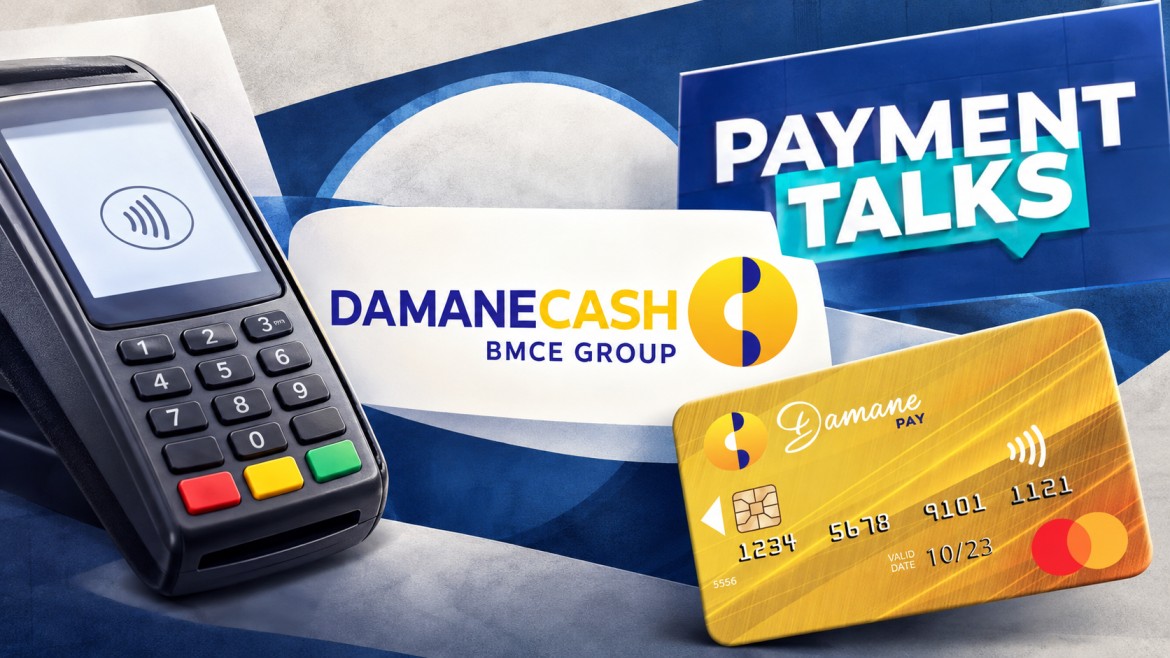
When you pay by card, several systems work together before the payment is approved. Damane Cash has now detailed the role of one of them: the payment switch. The new platform handles the messages that move between a merchant’s payment terminal or an online payment page and the bank that issued the customer’s card. Damane Cash presented the system through its “Payment Talks” initiative.
The process starts when a customer makes a payment. The terminal or payment page sends an authorisation request to the switch.
The switch then works out where the request needs to go. It can route the message through a domestic or international payment network before sending it to the bank that issued the card.
The bank sends its decision back through the same system. The switch then delivers the approval or refusal to the merchant’s terminal.
The whole process takes only a few hundred milliseconds. The switch also makes sure the messages are sent in the right format for the systems involved.
The switch does not hold the customer’s money. It does not store the funds or directly transfer them. Its job is to move the information needed to approve the payment.
This makes the switch an important part of the payment chain. If the platform is not available, merchants can face problems processing electronic payments and collecting money from customers.
The new infrastructure comes as digital payments and mobile financial services continue to expand. Damane Cash is a Bank of Africa subsidiary and a payment institution licensed by Bank Al-Maghrib. It operates more than 800 agencies across the country.
Damane Cash also operates Damane Pay, its mobile payment service. Users can send and receive money, pay bills and taxes, and make purchases through the mobile wallet. Merchants can also receive payments through the service.
Payment institutions have a growing role in expanding digital financial services. They provide services such as mobile wallets, cash-in and cash-out, bill payments and merchant payments alongside traditional banks.
The new switch separates two parts of a payment that can easily be confused: the movement of information and the movement of money. The switch handles the first one. The banking and settlement systems handle the second.