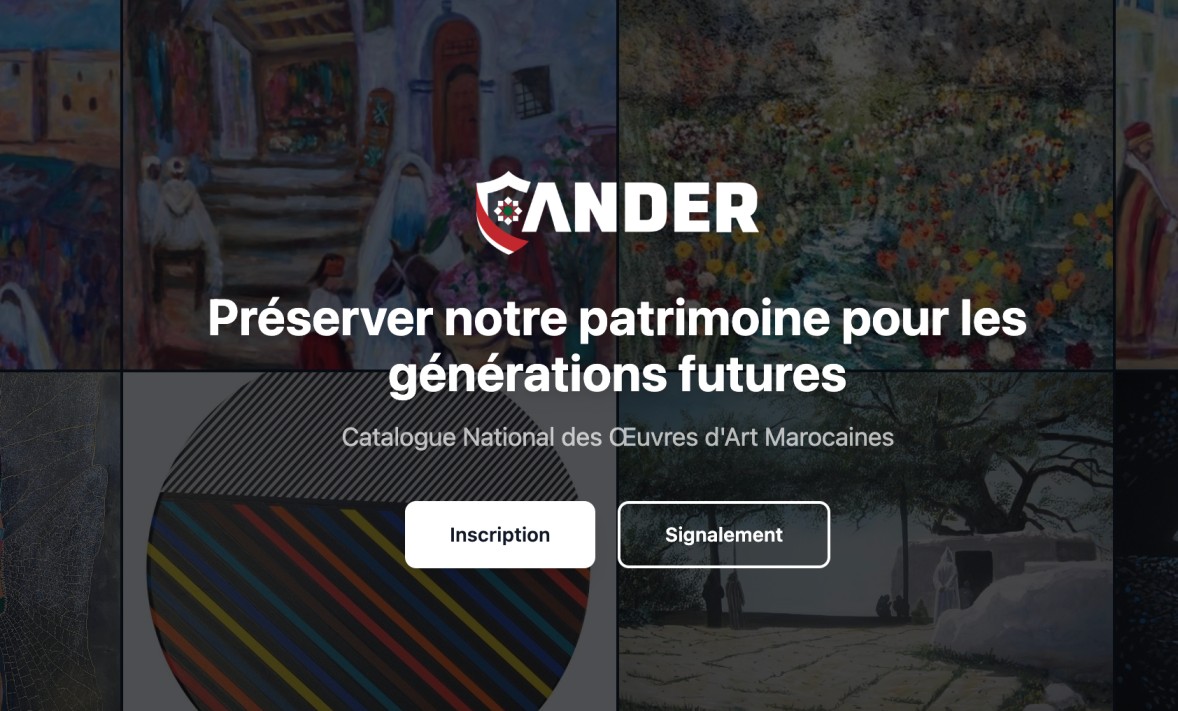
A new online platform aims to make it easier to check whether artworks sold in Morocco are genuine. The Ministry of Youth, Culture and Communication has launched ander.ma, a digital database where artists can register their works and provide evidence of their origin. Artists can upload photos of paintings, sculptures, installations and digital works. They can also add exhibition catalogues, posters, invitations, press articles and other documents linked to their work.
The information will create a reference record for each registered artwork. Galleries, auction houses and other art professionals can use these records to compare works during sales, exhibitions and checks for certificates of authenticity.
The platform also has an alert system for suspected fake or altered works. A suspicious work can be checked against the records already stored on the platform.
The system is not meant to replace scientific, technical or legal expertise. Experts will still be needed when a work requires laboratory tests, material analysis, restoration checks or other specialist examinations.
The platform was developed after a series of working sessions held at the Public Prosecutor’s Office in 2024 and 2025. The meetings brought together judicial and cultural institutions, the National Foundation of Museums, art professionals and other organisations.
The work also involved the Ministry of Justice, the General Secretariat of the Government and the Supreme Council of Judicial Power.
The new database comes as the modern and contemporary art market has grown and become more commercial. That growth has also created more opportunities for fake works, disputed ownership and copyright violations.
Artists and other people working in the art sector have identified several ways in which fake works enter the market.
Local copyists, art students and struggling painters have been identified as some of the people who can produce copies. Some cases have also raised concerns about heirs of deceased artists. After original works held by a family have been sold, copies can be made by third parties and presented as genuine. False certificates of authenticity can then be issued.
Fake works can also move through informal markets, flea markets and antique dealers, where there may be little paperwork or official oversight.
The problem does not stop at the domestic market. Moroccan paintings and other works have appeared at auction or for sale through specialised and online platforms in countries including France, Spain, Belgium, the Netherlands and Britain.
Foreign buyers can face particular difficulties when checking a work. They may not have direct access to the artist, the artist’s family or estate, or people with detailed knowledge of the local art market.
The lack of a single database has made these checks harder.
The sector has also faced problems with the quality of expertise available to buyers and sellers. Some people have presented themselves as art experts without recognised qualifications or a common method for examining works. This has contributed to disputes over certificates of authenticity.
Art institutions and market professionals, including the Moroccan Company of Works and Art Auctions and the National Foundation of Museums, have warned that unreliable opinions can damage confidence in the market.
Legal action has also been limited in the past. Artists, including Fouad Bellamine, have pointed to the small number of systematic complaints and prosecutions linked specifically to art forgery.
The new platform is designed to move the system towards earlier checks. Instead of discovering a fake only after a sale, financial dispute or court case, users can compare an artwork with records created by the artist.
The system also gives artists a way to create a documented record of their work before problems arise. Photographs, supporting documents, provenance information and other records can help establish what a genuine work looks like and where it came from.
The platform supports the existing copyright system under Law No. 2-00 on Copyright and Related Rights.
That law protects both the moral and economic rights of creators. It includes an author’s right to be recognised as the creator of a work and the right to object to its distortion, falsification or unauthorised reproduction.
A central digital record can make it easier to provide evidence when a copyright dispute, suspected forgery or inheritance case reaches the authorities.
The initiative also links the cultural and justice sectors more closely. The involvement of the Public Prosecutor’s Office means cases involving suspected art fraud can be examined with greater judicial awareness.
Galleries, auction houses and experts will have a state-backed reference database to use when questions arise about an artwork.
The platform will remain a developing database. Its usefulness will depend partly on how many artists register their works and how much supporting material they provide.
The ministry has presented ander.ma as part of a wider effort to modernise its tools, strengthen copyright protection and make the art market more transparent.
It is designed to help identify and prevent fraud, but the final judgement on whether an artwork is authentic can still require scientific, technical and legal expertise.