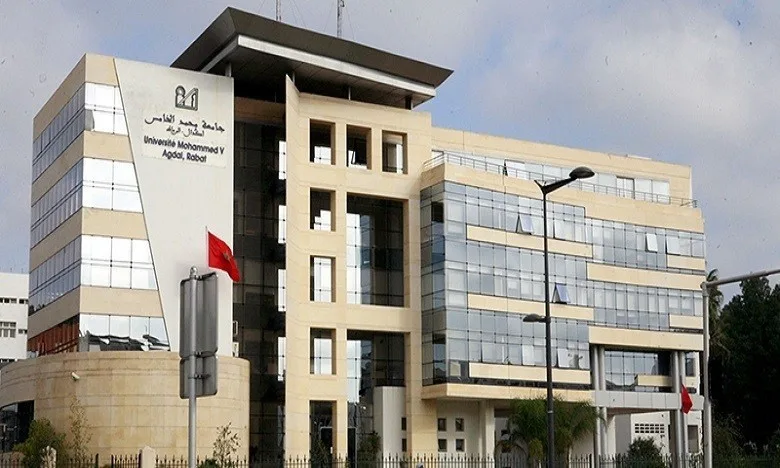
Students in some parts of Morocco may soon have a university closer to home, as the government plans to increase the number of public universities from 12 to 27. Higher Education Minister Azzeddine El Midaoui announced the plan on Monday in the House of Representatives, saying the review of the country’s university map was in its final stages.
The reform aims to give every region at least one public university, including Dakhla, Laayoune, Guelmim and Errachidia.
The changes are also expected to reduce the average number of students at each university from about 95,000 to fewer than 40,000. The first phase will require an estimated investment of 200 million dirhams to build and manage university headquarters.
El Midaoui also said 66 higher education institutions had been created between 2024 and 2026, while 17 more were awaiting approval of the decrees needed to establish them.
Of the 66 institutions, 46 were created by splitting up or restructuring existing open-access institutions. The other 20 are new-generation institutions.
The 17 proposed institutions have passed through the National Coordination Commission and are now awaiting approval, the minister said.
Four provinces — Taourirt, Taroudant, Tiznit and Taounate — have welcomed university institutions for the first time.
The new-generation institutions will cover all academic disciplines, El Midaoui said.
Their locations and programmes were selected following detailed studies of all 12 regions, taking into account population, natural resources and local strengths.
The aim is to make universities more responsive to the needs of the areas they serve, while supporting national priorities and helping Morocco and the wider African continent adapt to international changes.
The minister said universities should offer courses that meet local and regional needs, support national development projects and respond to changes around the world. Their programmes should also be more attractive to students and better connected to the job market.
The reform is expected to ease the financial pressure on families by reducing the money students spend travelling to university and paying for accommodation.