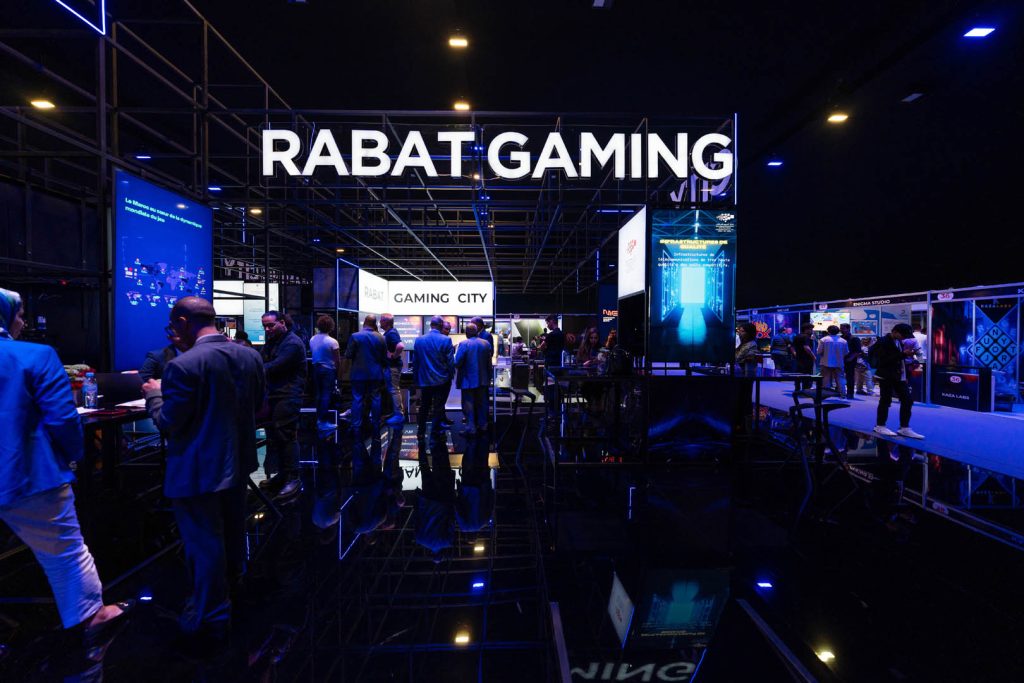
Morocco wants more video games to be made at home. The government plans to invest 460 million dirhams ($46m) in a dedicated gaming zone in Rabat, with the aim of attracting investors, supporting local developers and creating jobs in the digital industry. The project, known as Rabat Gaming City, is part of the 2027 Finance Bill. The government has already paid out 160 million dirhams ($16m) towards its total cost, according to the bill’s presentation note.
A further 10 million dirhams ($1m) has been allocated to a programme supporting gaming businesses and digital start-ups between 2027 and 2029.
The plans form part of a wider effort to make Morocco a regional centre for video game development and other digital industries.
The government will use the 10 million dirhams allocated to the Gamification Lab programme to help Moroccan studios develop digital products, train workers and support start-ups.
The programme is run in partnership with CDG Invest, the investment arm of the state-owned Caisse de Dépôt et de Gestion.
It focuses on gamification, which uses elements of video games, such as rewards, challenges and points, to engage users and encourage them to achieve specific goals. The programme also aims to help businesses develop digital solutions and prepare workers for new technology-related jobs.
Cloud gaming is among the areas targeted by the initiative. The Ministry of Youth, Culture and Communication and CDG Invest launched calls for start-ups to apply to the programme in April 2026.
The investment follows the third Morocco Gaming Expo, held in Rabat in May 2026. The event attracted 80,000 visitors, according to figures provided for the expo.
The government hopes the gaming zone will give developers, start-ups and other industry professionals a place to work, attract investment and help local businesses compete in regional and international markets.
The global gaming market is estimated to be worth about $300bn. Morocco aims to attract a share of the industry by drawing on its pool of skilled technology workers and its position in Africa and the French-speaking market.
A new film complex in Ouarzazate
The 2027 Finance Bill also sets out plans to continue building the Ouarzazate International Cinema City, a project designed to attract more international film productions.
The complex will cover 10.49 hectares and cost about 240 million dirhams ($24m). The communication sector will contribute 60 million dirhams ($6m), with the money due to be paid out gradually between 2027 and 2029.
Culture Minister Mohamed Mehdi Bensaid laid the foundation stone on 26 June 2026.
Ouarzazate has hosted major international productions, including Gladiator, Lawrence of Arabia and Game of Thrones. But the region has faced a decline in foreign productions in recent years.
The Covid-19 pandemic, ageing infrastructure and competition from film studios in Europe and the Middle East have added pressure on the local industry.
The government hopes the new complex will attract more productions, support jobs and bring economic benefits to Ouarzazate and the wider Drâa-Tafilalet region.
The gaming zone and cinema complex have a combined estimated cost of 700 million dirhams ($70m). The figure covers the total cost of both projects, not just the money allocated under the 2027 Finance Bill.
New rules recognise digital industries
The investment plans follow Decree No. 2.24.1143, which sets out the responsibilities and organisation of the communication sector.
The Government Council approved the decree on 28 March 2025. It includes video games, digital media, artificial intelligence and modern technologies among the areas covered by the sector’s work.
The government says the wider policy supports the New Development Model, which aims to encourage innovation and create jobs, particularly for young people.
The plans also relate to three United Nations Sustainable Development Goals: Goal 8, on decent work and economic growth; Goal 9, on industry, innovation and infrastructure; and Goal 5, on gender equality.
The bill includes the Ikram 2 study on the situation of female journalists as part of its gender-related initiatives.
An Economic and Financial Report accompanying the bill also points to growing demand for digital products, particularly those linked to artificial intelligence.