The United States says Moroccan fertiliser producers benefit from government support that gives them an advantage over American competitors. It has set a 20.04% subsidy rate on Moroccan phosphate fertiliser exports, a move that could keep trade restrictions on OCP in place.
The US Department of Commerce announced the decision on Tuesday, 3 November, following a five-year review of trade measures first introduced in April 2021.
The rate applies to OCP, Morocco’s main phosphate producer, and all other Moroccan exporters. The department says removing the existing trade order would likely allow the subsidies to continue or return.
However, the decision does not mean that the US has finally agreed to keep the restrictions. The US International Trade Commission (USITC) must still decide whether removing them would harm American fertiliser producers. Its final decision is expected by April 2027.
In simple terms, Washington believes Moroccan producers receive government support that helps them compete against American companies. The US says this support could continue if the trade restrictions are lifted.
The dispute began in June 2020, when American fertiliser producers Mosaic and J.R. Simplot accused Moroccan and Russian exporters of benefiting from unfair government subsidies.
The US introduced its first countervailing duty order against Moroccan phosphate fertiliser imports in April 2021, setting the initial rate at 19.97%.
The rate applied to OCP changed in subsequent annual reviews. It fell to 2.12% in late 2023 following preliminary adjustments, before rising to 14.21% and then 16.81% in November 2024.
OCP and the Moroccan government challenged the Commerce Department’s preliminary findings in August 2026. Mosaic and Simplot filed responses supporting the continuation of the trade restrictions.
US imports of Moroccan phosphate fertilisers were worth $751m in 2019, before the dispute began.
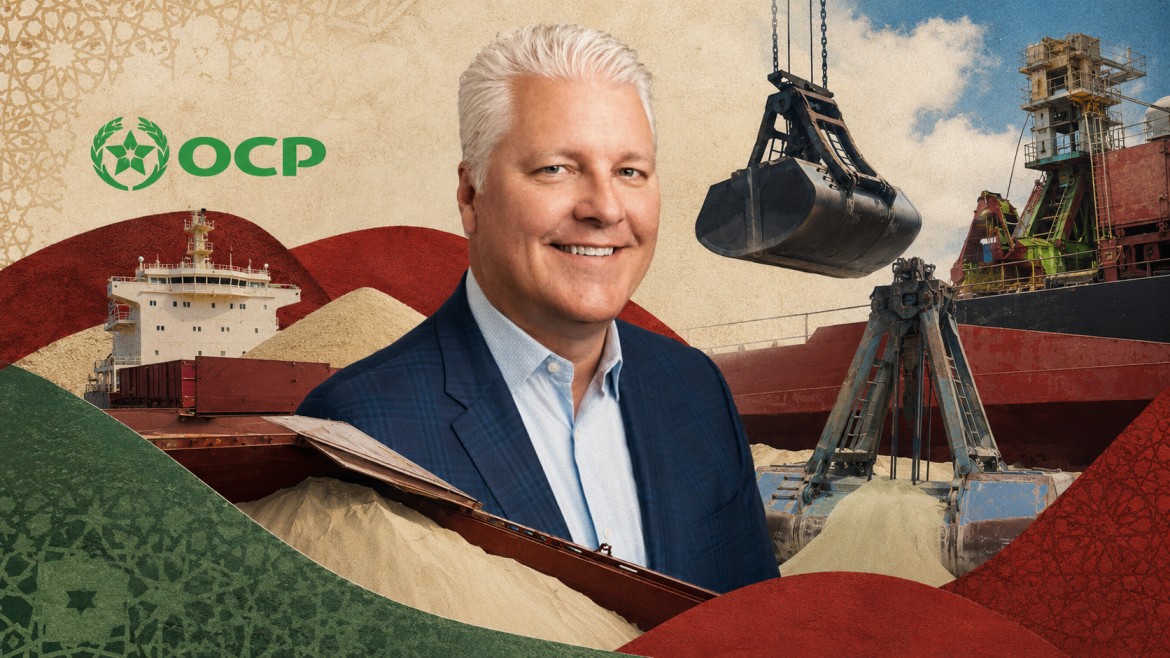
OCP, headquartered in Casablanca, is 94.12% owned by the Moroccan state. The company controls more than 70% of the world’s known phosphate rock reserves and reported revenue of 97bn dirhams ($9.7bn) in 2024.
A separate move to help US farmers
The latest decision comes as Washington is also trying to secure affordable fertiliser supplies for American farmers.
In June 2026, President Donald Trump declared an emergency over US fertiliser supplies and allowed Moroccan phosphate fertilisers to enter the American market without import duties for up to eight months.
The measure was intended to help lower costs for American farmers, who rely on fertiliser to grow their crops.
The temporary exemption does not cancel the existing trade restrictions. It is a separate measure that allows some Moroccan fertiliser imports to enter the US without duties for a limited period.
This means Washington is pursuing two policies at the same time: it wants to maintain pressure on Moroccan exporters over alleged subsidies, while allowing American farmers to buy Moroccan fertiliser without additional import costs for a limited period.
What happens next?
The US International Trade Commission must now decide whether ending the trade restrictions would damage American fertiliser producers.
The commission began its review in June 2026 and classified the case as particularly complicated. It published a timetable in October, with its investigation expected to continue until April 2027.
If the commission finds that removing the restrictions would harm US producers, the trade order can remain in place. If it does not, the existing measures could be withdrawn.
For OCP, the outcome will determine whether its phosphate fertiliser exports continue to face US trade restrictions beyond the temporary duty-free exemption.