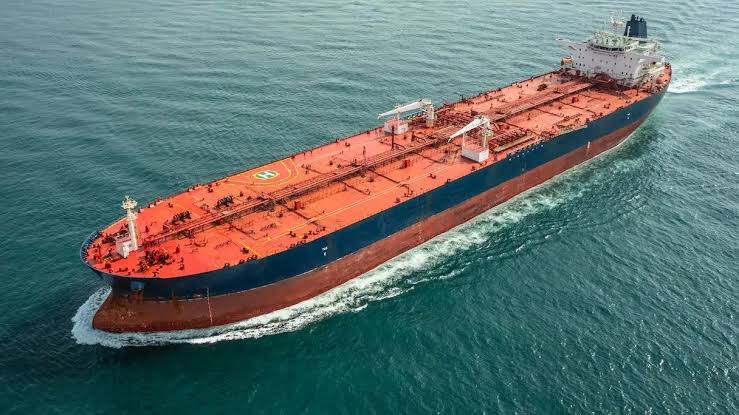
Morocco supplied more than 40,000 barrels of oil products a day to Russia in October, accounting for nearly three-quarters of the country’s total seaborne imports, according to data from energy analytics firm Kpler. Russia imported a total of 54,000 barrels a day of refined oil products by sea during the month, a 25% increase from September, Russian newspaper Kommersant reported, citing Kpler data.
The remaining 14,000 barrels a day came from Turkey. The report did not identify where the fuel was originally produced or whether the shipments from Morocco were re-exports.
Russia is traditionally one of the world’s largest exporters of refined oil products. But Ukrainian drone attacks on Russian refineries have disrupted production and contributed to fuel shortages in some parts of the country.
The imports suggest that Russia is turning to foreign suppliers to meet specific domestic fuel needs.
The shipments are likely linked to storage and re-export facilities in Morocco rather than domestic production. The country’s only major refinery, Samir, in Mohammedia, has been closed since 2015.
Facilities such as Horizon Tangier Terminal allow fuel imported from international markets to be stored, blended and shipped to other destinations. This means the products sent to Russia may have been produced elsewhere and simply passed through Moroccan ports.
The trade also reflects changes in global oil routes since Western sanctions on Russian petroleum products were introduced in 2023.
Russia redirected much of its fuel exports towards markets in Asia, Turkey and North Africa. The latest figures suggest that international storage and trading networks are also being used to supply the Russian market.
However, the imports remain small compared with Russia’s overall refining capacity. The 54,000 barrels a day represent less than 1% of the country’s estimated daily crude oil processing capacity of 5.5 million barrels.
The shipments therefore appear to be addressing specific fuel shortages rather than replacing domestic production on a large scale.