
Bank Al Maghrib and the Ministry of Agriculture have signed a new agreement to share data and research as they look to improve economic planning and respond better to climate risks.
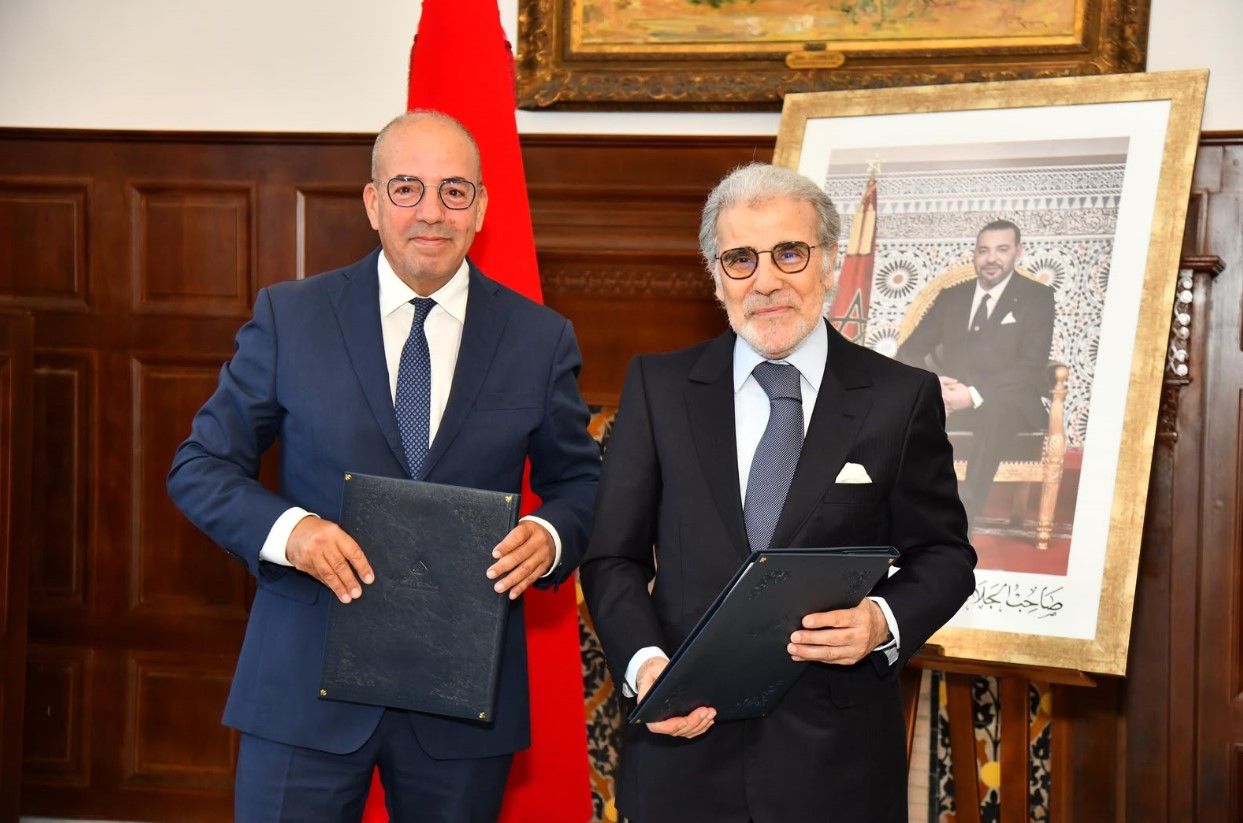
The agreement was signed in Rabat on Monday by Bank Al Maghrib Governor Abdellatif Jouahri and Agriculture Minister Ahmed El Bouari.
The deal creates a formal system for the two institutions to share statistics, economic forecasts and research. They will also work together on studies and provide training for their technical teams.
The agreement comes as the economy continues to recover after several years of drought.
Bank Al Maghrib expects the economy to grow by 5.2% in 2026, up from 4.9% in 2025.
Agriculture is expected to be the main driver of that growth. The sector’s value added is forecast to increase by 16% this year after growing by 8.2% in 2025. Officials expect this season’s grain harvest to reach 90 million quintals.
About one in four workers in Morocco is employed in agriculture. Changes in the sector have a direct impact on economic growth, inflation and jobs, making accurate forecasts important for government policy and central bank decisions.
Under the agreement, the ministry will share field data on crops, livestock and other agricultural activities. Bank Al Maghrib will use that information in its economic models to improve forecasts.
The two sides will also carry out joint research on issues affecting economic growth, public spending and natural resources. The agreement includes training programmes to strengthen data analysis and forecasting skills.
The partnership comes as the government reviews its Generation Green 2020 to 2030 strategy.
Recent years of drought have reduced irrigation water, led to tighter controls on well drilling and cut the national cattle herd by more than one third. Those pressures have pushed up meat and dairy prices.
Conditions have improved this year. Rainfall was 56% above the long-term average, helping cereal production recover.
Officials hope better data sharing will improve forecasts for crop production, inflation, food security, water resources and supply chain disruptions linked to climate change.
Bank Al Maghrib has kept its benchmark interest rate unchanged at 2.25% as it continues to monitor global energy prices and imported inflation.
The central bank expects core inflation to remain low at around 0.2% in 2026, helped by lower domestic food prices, including olive oil.