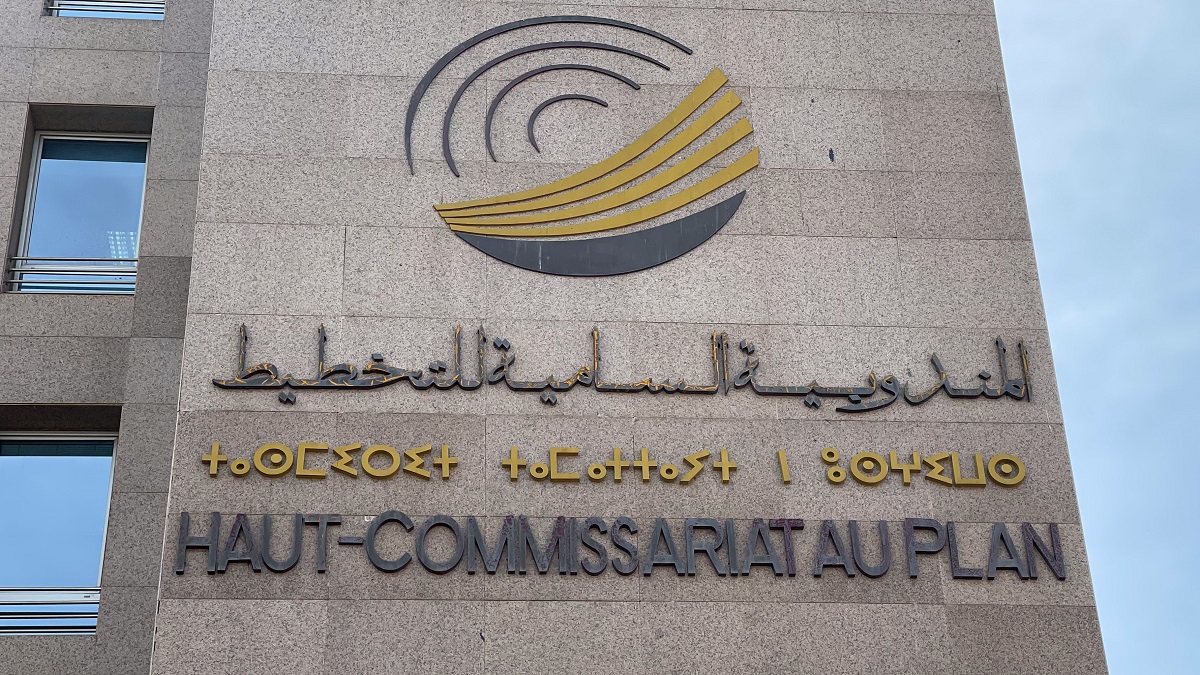
Morocco’s economy picked up speed in 2025, helped by better rainfall, a recovery in farming and a sharp increase in investment. The country’s economy grew by 4.9% during the year, up from 4.4% in 2024, according to provisional figures released by the High Commission for Planning (HCP). The result was also higher than earlier estimates of around 4.6%.
A strong comeback in agriculture was one of the biggest reasons behind the stronger growth.
After shrinking by 5.7% in 2024 due to drought conditions, agricultural output grew by 8.2% in 2025 as rainfall improved. Overall growth in the primary sector reached 7.1%.
The recovery came despite a difficult year for fishing, where activity fell by 13% after growing by 8.8% the year before.
Investment was the other major driver of growth.
Gross investment jumped by 16.3% and alone added five percentage points to overall economic growth. Morocco’s investment rate rose to 33.6% of GDP, compared with 30.6% in 2024, as major infrastructure projects continued across the country.
However, the figures show that parts of the economy outside agriculture lost some momentum.
Non-agricultural activities grew by 3.9% in 2025, down from 5.1% a year earlier.
Growth in the services sector slowed to 4.3%, compared with 5.6% in 2024. Industrial activities also eased, with growth in the secondary sector falling to 3.3% from 3.8%.
Mining remained one of the strongest-performing industries, supported by phosphate production, although growth slowed to 7.5% from 11.5%.
Manufacturing grew by 1.9%, slightly below the 2.1% recorded a year earlier.
Growth in electricity, gas, water and waste management almost stalled, dropping to 0.6% from 5.4%.
Construction was one of the few sectors to gain pace. Growth rose to 6.7%, up from 6% in 2024, supported by public spending and large development projects.
Households also remained cautious with their spending.
Household consumption grew by just 1.2% in 2025, compared with 2.9% a year earlier. Its contribution to economic growth fell from 1.8 percentage points to 0.7 points.
Inflation, meanwhile, remained relatively low. Nominal GDP rose by 6.5%, compared with 8.7% in 2024, suggesting overall prices increased by around 1.6% during the year.