
The French energy company Engie has taken Morocco’s Safi coal power plant off its main accounts, as it moves ahead with plans to stop using coal worldwide by 2027.
This comes after Engie sold part of its stake in January 2025 to Nareva Holding. It now owns 17.67% of Safi Energy Company (Safiec), down from 35% when the project first started.
Because of changes in how the project is managed, Engie now treats its remaining share as a simple financial investment. This also means the plant’s emissions are no longer counted in the company’s carbon totals. Engie says its share of those emissions was about one million tonnes of CO₂ in 2025.
The sale also helped the company cut its debt by around €30m, without affecting its profits.
Engie is gradually pulling out of coal as part of a wider plan to move away from fossil fuels completely by 2045. It aims to stop using coal in Europe by 2025 and worldwide by 2027. The company has also sold energy assets in Kuwait, Bahrain and Pakistan as part of this shift.
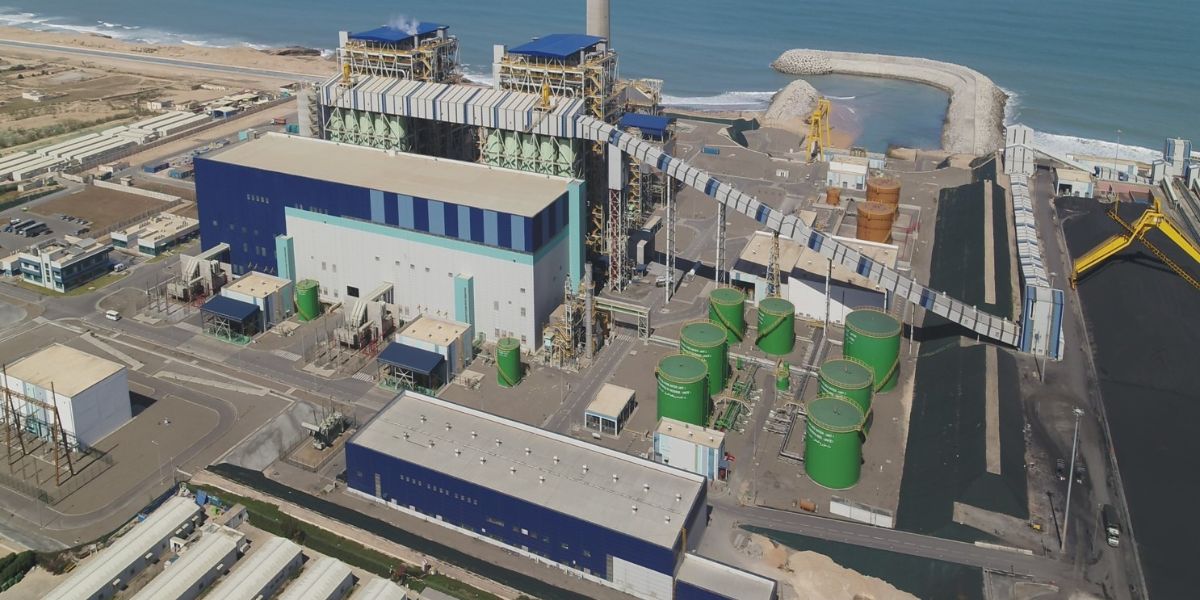
Even so, the Safi plant remains very important for Morocco. It has two units producing 693 megawatts each, for a total of 1,386 MW, and supplies about 25% of the country’s electricity.
Unlike solar and wind, which depend on weather conditions, the Safi plant provides steady power all the time. This makes it essential for keeping the national grid stable.
The plant started operating in 2018 and cost about $2.6bn to build. It was developed by a group including Engie, Nareva and Japan’s Mitsui & Co.. When the project began in 2013, Engie and Nareva each held 35%, while Mitsui had 30%.
The project was awarded by Office national de l’électricité et de l’eau potable (ONEE) after an international tender. All the electricity it produces is sold to ONEE under a 30-year agreement.
This deal follows a “build, own, operate and transfer” model. Private companies run the plant for now, but ownership will pass to the Moroccan state at the end of the contract.
The plant was built by Daewoo Engineering & Construction and is run by Safiec.
It uses a more advanced type of coal technology that makes it about 10% more efficient than older plants. But it still produces large amounts of CO₂.
To reduce pollution, partners are looking at using green ammonia as a cleaner fuel, first mixed with coal and possibly replacing it completely later. Morocco could benefit from this because it has strong potential to produce green hydrogen and is already active in global ammonia markets.
The situation shows the challenge Morocco faces. The country wants more than 52% of its electricity to come from renewable sources by 2030, but it still needs reliable power like Safi to keep the system running.
The project’s financing model also helped Morocco attract $2.6bn in foreign investment without putting pressure on public finances at the start.
Engie’s move is also driven by pressure from investors in Europe to cut emissions. For Morocco, reducing coal use is becoming important to stay competitive, especially as Europe prepares to introduce carbon taxes on imports.
Engie says it plans to fully exit the Safi plant by 2027, completing its move away from coal.