
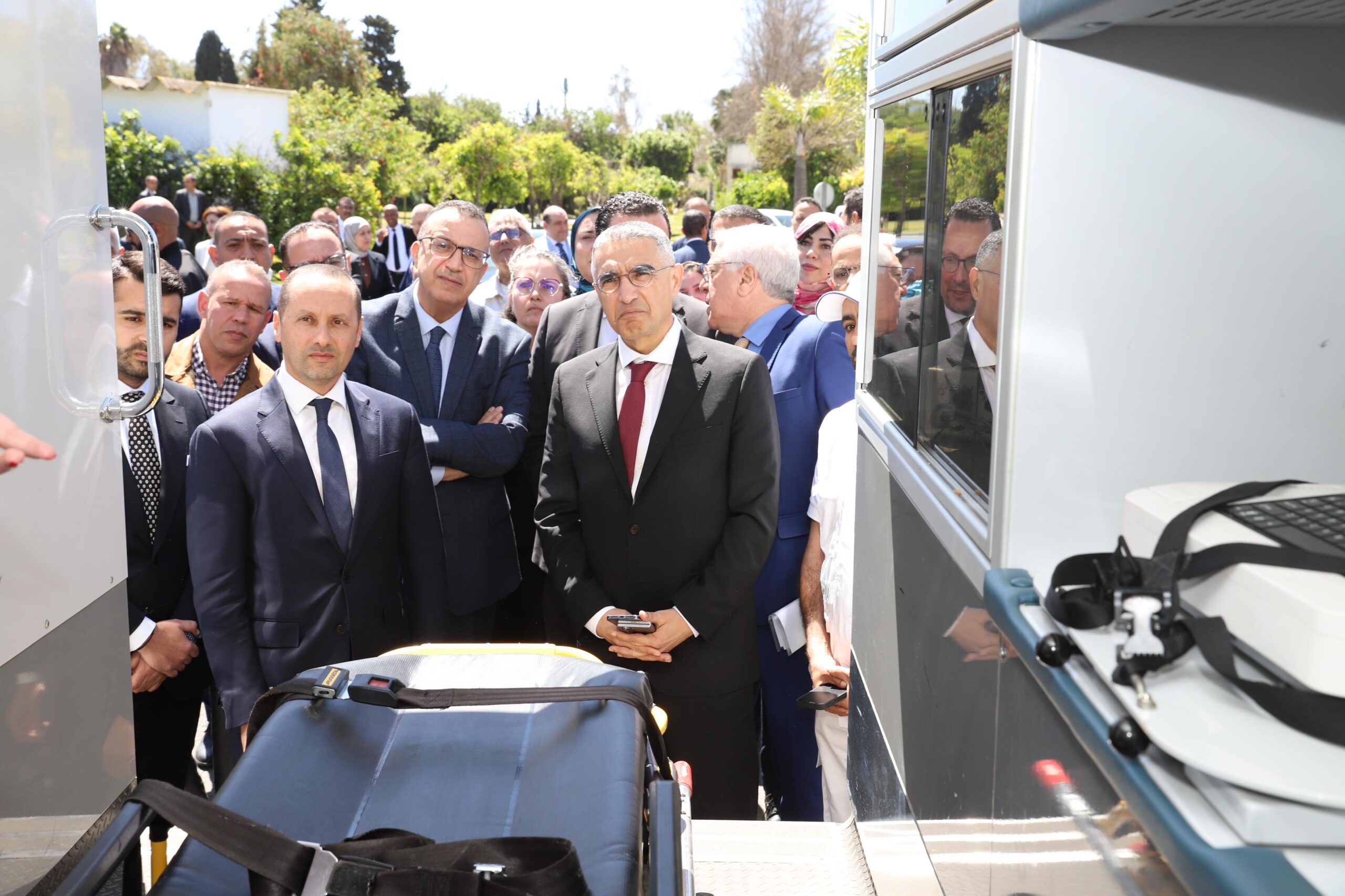
Morocco has started a pilot project to improve emergency medical services in the Rabat-Salé-Kénitra region. Health Minister Amine Tehraoui said the plan follows King Mohammed VI’s instructions to make healthcare better and easier to reach for everyone.
The goal is to get medical help to people faster, cut down waiting times in serious cases, handle calls more efficiently, and make sure patients get continuous care from start to finish.
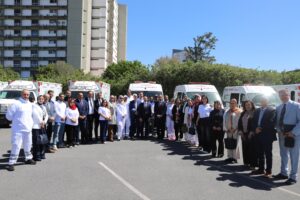
The project has set up 16 new mobile emergency teams across cities and towns like Rabat, Salé, Témara, Kénitra, Khémisset, Sidi Kacem, and Sidi Slimane. Twenty-six ambulances have been upgraded with modern medical tools and GPS. The call centre has grown from two to eight stations, and the national emergency number, 141, now has trained staff who can handle several calls at once. A new digital system allows doctors and nurses to follow calls and patient info in real time.
The pilot also focuses on emergencies for children, heart problems, and brain conditions. Telemedicine is being used to connect hospitals at different levels. Officials say this pilot will guide a national rollout so everyone in the country gets fair access to emergency care.
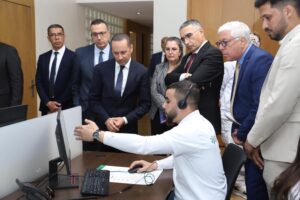
In Morocco, emergency services are split into two parts: SAMU, which answers calls and sends help, and SMUR, mobile units that treat patients on the way to the hospital. Before, most units were in big city hospitals, leaving rural areas with long delays. Placing teams in smaller provinces aims to reach patients faster and save lives.
The project is part of Morocco’s push for digital healthcare. Using GPS and digital patient records helps avoid mistakes when patients move from ambulances to hospitals. Private clinics and transport providers are also involved to increase capacity without stretching public funds. Training and career support for emergency staff is a focus to keep skilled workers in the public system.