

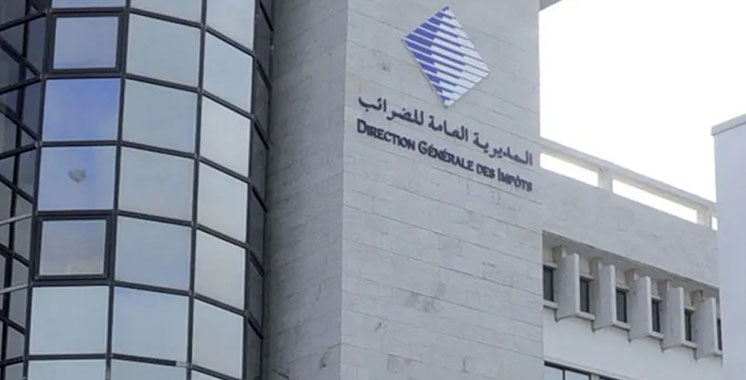
Morocco’s tax system has recently come under the spotlight, with the International Monetary Fund offering a detailed assessment of the reforms introduced over the past few years. In a report published Thursday, the IMF acknowledged Morocco’s significant progress in modernizing its tax administration, praising the country’s efforts to improve service delivery and enhance tax collection and oversight systems.
The evaluation, carried out between September 30 and October 13, 2025, used the TADAT (Tax Administration Diagnostic Assessment Tool) framework to measure performance. One of the most notable achievements, according to the IMF, is the broad rollout of digital tax services. These services, now mandatory and accessible 24/7 through the secure SIMPL platform, have transformed the interaction between the tax authority and citizens. By offering easier access to personalized information and tailored services, Morocco has taken meaningful steps toward greater transparency and stronger civic engagement in tax matters.
The report also highlights advancements in identifying potential taxpayers, thanks to a more structured approach to data gathering. At the heart of this effort is a centralized risk management system, bolstered by the implementation of SRAD, a tool designed to cross-check and analyze fiscal data.
Tax control mechanisms have seen notable improvements as well. Risk-based audits are now systematically tracked to evaluate their effectiveness and precision. The IMF also noted the introduction of automated accounting systems, which have improved revenue monitoring and allowed for more accurate budget forecasting – especially in the area of monthly VAT reimbursements.
Despite the clear progress, some challenges remain. One key weakness is the limited use of formal legal procedures in disputes arising from external audits. Additionally, the time it takes to resolve these cases remains a problem, often undermining the efficiency of the entire system.
This is Morocco’s second TADAT evaluation, the first having taken place in 2018. According to the IMF, the latest review not only confirms the strides made since those early reforms, but also sets a new benchmark for shaping future priorities in the country’s tax policy and administration.