
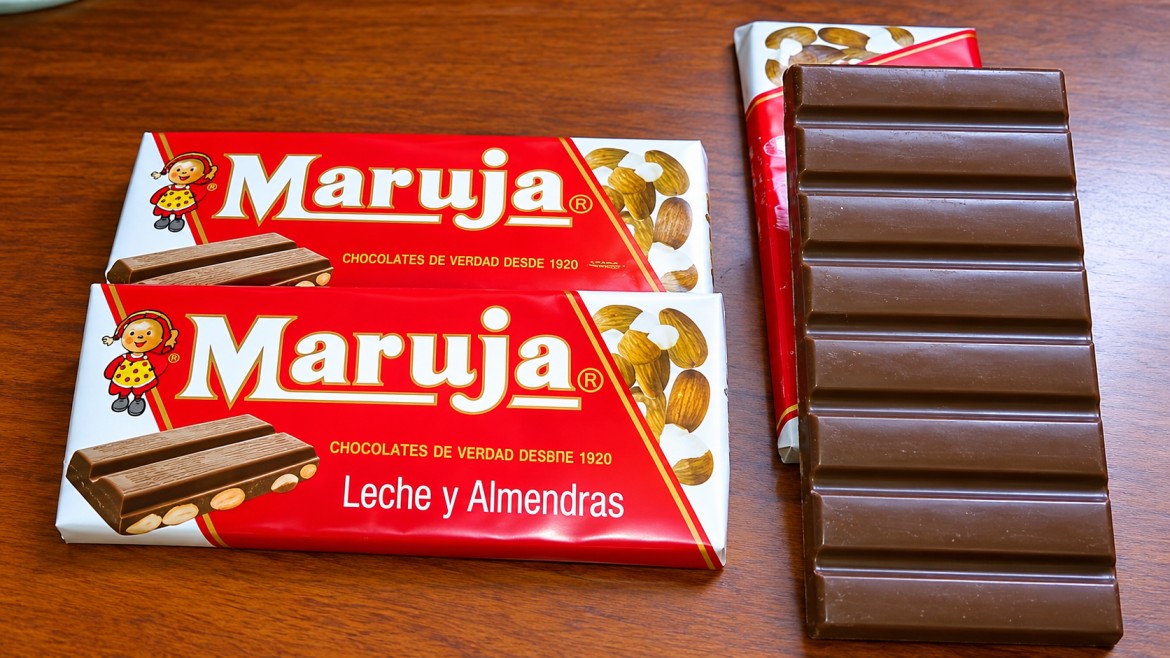
A chocolate brand that has been sold in North Africa for more than a century has won a court case against two Moroccan confectionery companies accused of copying its products. Borrás S.L. de Productos Alimenticios, the Spanish maker of Maruja chocolate, won a first-instance ruling against Finetti and Marochoc International at the Casablanca Commercial Court on 7 October 2026.
The court found the two companies liable for trademark counterfeiting and unfair competition. It ordered them to stop producing, distributing and selling products linked to the dispute.
The ruling adds to the legal and financial problems facing Groupe Sebbar, the parent group behind both companies. The group, led by Mustapha Sebbar, is also dealing with large unpaid bank debts and insolvency proceedings involving another subsidiary.
Borrás has manufactured cocoa products in Ceuta, Spain, since 1917. It holds rights to the Maruja brand in Morocco through registrations with the Moroccan Office of Industrial and Commercial Property (OMPIC).
The dispute with Finetti dates back to at least 2023, when Borrás took action over products it considered unauthorised imitations of its brand.
In 2024, the Spanish company registered two additional trademarks: “MARUJA 1917” and “ORIGINAL MARUJA DESDE 1917”. The registrations cover cocoa, chocolate and confectionery products.
OMPIC records show that opposition proceedings between the companies remain active over overlapping trademark applications and packaging designs.
The court’s formal ruling found Finetti and Marochoc International guilty of counterfeiting and unfair competition. However, its operative section did not name the specific trademark at the centre of the case.
The court decision comes as Groupe Sebbar faces claims from major lenders over unpaid debts.
In June 2025, the Casablanca Commercial Court ordered Finetti and Mustapha Sebbar to pay 124.5 million Moroccan dirhams (MAD) to Banque Centrale Populaire (BCP) after defaults on credit facilities.
The pressure continued in April 2026, when courts ordered two Sebbar companies to pay a combined 83.78 million MAD to Bank of Africa.
Magic Sweets International was ordered to pay 56.33 million MAD, while Marochoc International was ordered to pay 27.45 million MAD.
Together, the two judgments in favour of BCP and Bank of Africa amount to 208.28 million MAD — more than 208 million dirhams in court-ordered payments.
Magic Sweets International has also run into serious financial trouble. The company formally declared that it had ceased payments between July and September 2026.
In September, the Casablanca Commercial Court placed the subsidiary under judicial restructuring, known in French as redressement judiciaire. The process is intended to manage creditor claims and address the company’s financial difficulties.
Groupe Sebbar operates several confectionery businesses, including Finetti, Marochoc International and Magic Sweets International.
The group is now facing several challenges at once: bank claims worth more than 208 million MAD, insolvency proceedings involving Magic Sweets International, and a court ruling against two companies over the alleged copying of a long-established Spanish chocolate brand.