

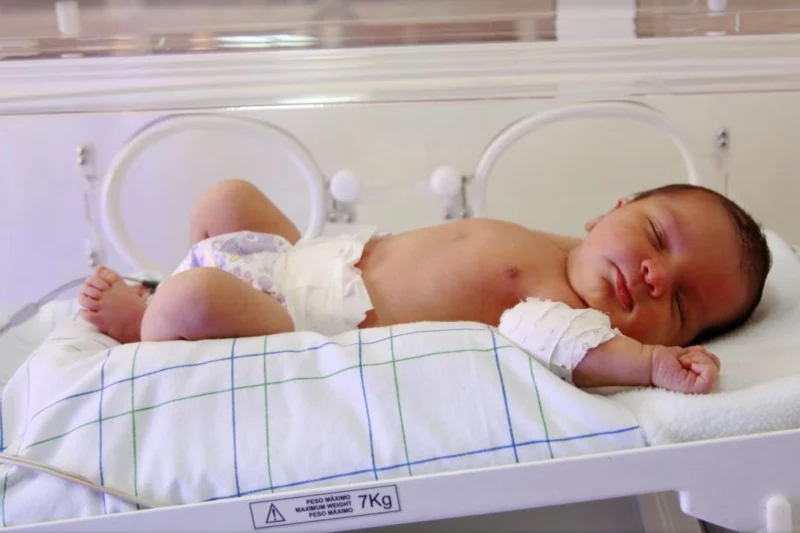
Births in the enclave of Melilla have plummeted to historic lows, with just 691 recorded in 2025-a staggering 77% drop compared to over 3,000 a decade earlier. This sharp decline, confirmed by recent Spanish health data, closely aligns with the tightening of border access, especially for Moroccan residents from the neighboring Nador region.
The downward trend didn’t happen overnight. Since 2020, birth numbers have steadily fallen year after year: from 1,196 in 2020 to 886 in 2021, 824 in 2022, and 763 in 2024. The sharpest decline followed the closure of the border in March 2020, a measure initially introduced in response to the COVID-19 pandemic. Although restrictions were partially lifted in May 2022, new entry conditions-such as visa requirements for residents of nearby Moroccan provinces-have since been imposed.
But this shift goes beyond typical demographic patterns. For many years, a significant number of women giving birth in Melilla’s hospitals were Moroccan. These cross-border births turned the enclave into an informal healthcare destination for expectant mothers from the surrounding region. That cross-border access effectively ended when entry conditions were tightened, leading to a dramatic drop in local deliveries.
The statistics reveal more than just a population issue-they reflect a broader, deeper shift. With access to obstetric care now more limited, many women have been left without a reliable medical alternative. This disruption has become a quiet yet powerful indicator of growing political tensions. Decisions on border management and administrative policy are increasingly shaping the healthcare landscape, redrawing the lines of access and support along Morocco’s northern frontier.