

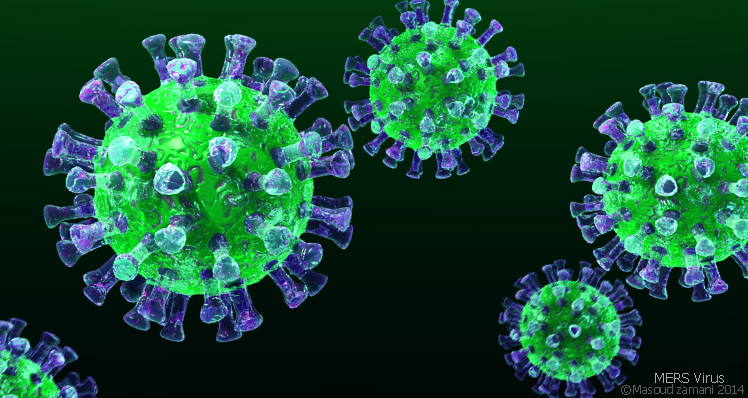
As millions prepare for international travel—whether for religious pilgrimages like the Omra or to attend the 2025 Africa Cup of Nations—health authorities are urging continued caution. Though the World Health Organization recently raised concerns about the MERS coronavirus, Moroccan experts maintain that there is no immediate threat to the country.
Middle East Respiratory Syndrome, or MERS-CoV, was first identified in the Arabian Peninsula. It’s known for causing severe respiratory illness, but its spread remains very limited. The virus is primarily transmitted from camels to humans, with direct contact or consumption of unpasteurized camel products being the main sources of infection. Human-to-human transmission is rare and typically confined to close quarters like hospitals or households.
While the virus can lead to serious respiratory complications—especially among vulnerable individuals—it is not highly contagious. Though the fatality rate hovers around 35%, MERS does not easily spread among people under normal conditions.
There have been no reported cases in Morocco or anywhere in sub-Saharan Africa. Moreover, there’s no indication that the virus has mutated into a more dangerous form. According to Dr. Hamdi, major public events like sports tournaments or organized pilgrimages don’t present the right conditions for the virus to spread. “MERS requires prolonged and close contact to transmit, which doesn’t align with how people interact at a football match or during a well-managed religious journey,” he explains.
The symptoms of MERS mirror those of many other respiratory infections—cough, fever, and fatigue. Diagnosis is generally guided by recent travel history or known exposure to camels. Since there is no vaccine or specific treatment available, prevention is key. That includes avoiding direct contact with camels, not consuming raw camel products, washing hands frequently, and wearing a mask in crowded indoor spaces.
In Morocco, the Ministry of Health continues to monitor the global situation closely. A health surveillance system is already in place and ready to respond to any emerging threat—not just MERS, but any disease that might accompany the increased movement of travelers.
For now, both government officials and health experts are united in their message: there’s no cause for alarm. The current precautions are proactive, not panicked—aimed at keeping both citizens and visitors safe, without overreacting.