
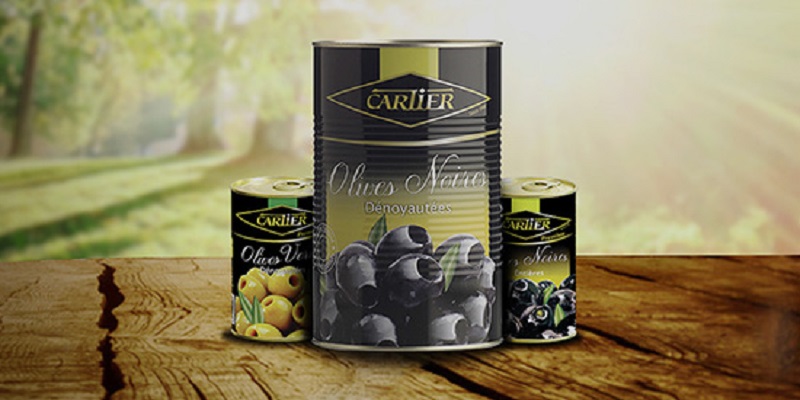
A drop in olive prices, shipping delays and losses on old stock have pushed Moroccan food exporter Cartier Saada into the red, with the company now expecting to report a loss for the 2025-2026 financial year.
The Casablanca-listed company said sales fell sharply in the final three months of the year, adding to pressure on its business.
Revenue reached 67 million dirhams between January and March 2026, down 25.5% from 90 million dirhams during the same period a year earlier. For the full year, sales were down 7%.
As a result, Cartier Saada expects to post a net loss, compared with a profit of 5.7 million dirhams in the previous financial year.
Cartier Saada, founded in 1947, is one of Morocco’s best-known exporters of table olives and apricots. More than 95% of its sales come from overseas markets, including Europe, North America and the Middle East.
One of the biggest challenges this year was a fall in international olive prices.
After poor harvests and droughts pushed prices higher in recent years, larger crops in Spain, Tunisia and Turkey increased supply and drove prices down. Cartier Saada said it had to lower its export prices to remain competitive.
The company was also hit by losses on olive stocks bought at much higher prices during the previous season. As olive prices fell, the value of those inventories dropped, hurting profitability.
Shipping problems at the Port of Casablanca added further pressure. Bad weather, including strong winds, heavy swells and fog, slowed port operations during the fourth quarter.
According to the company, the disruptions led to almost a month of lost activity, delaying exports and pushing some revenue into the next financial year.
Cartier Saada also pointed to delays in government support measures planned under Morocco’s olive sector development programme, launched as part of the Generation Green agricultural strategy.
The programme aims to invest 17 billion dirhams in the sector by 2030, increase national olive production to 3.5 million tonnes and modernise processing facilities to improve export competitiveness.
Despite the difficult year, better rainfall and improved weather conditions have boosted prospects for the current harvest season.