
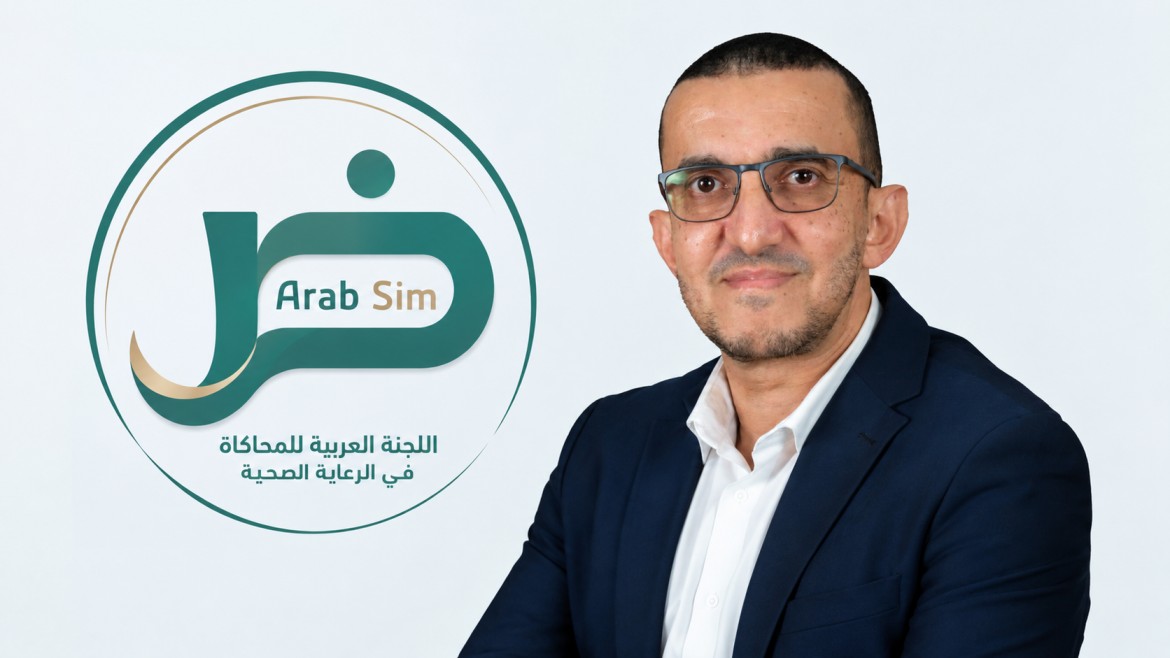
A Moroccan professor has been chosen to lead the first Arab Committee for Health Simulation, a new regional group that will help improve medical training, research and cooperation across the Arab world. Professor Mohammed Mouhaoui, who teaches anaesthesia and intensive care, emergency medicine and healthcare simulation, was appointed president of the committee. He also serves as president of Morocco SIM.
The committee brings together experts from 12 Arab countries. They include Morocco, Jordan, Saudi Arabia, Egypt, Iraq, Lebanon, Qatar, Tunisia, Libya, Bahrain, Sudan and Syria.
Tahani Abdul Jabbar Khalil from Jordan was named vice president, while Dr Baraa Oussama Tayeb from Saudi Arabia will serve as secretary.
The new committee will promote cooperation between healthcare institutions across the region. Members plan to share expertise, support joint research and develop training programmes based on medical simulation.
They also want to strengthen partnerships between universities, hospitals and simulation centres. Another goal is to introduce common training standards and spread new teaching methods across Arab countries.
Medical simulation lets doctors, nurses and other healthcare workers practise clinical skills in a safe environment before treating real patients. Training can include lifelike manikins, virtual reality systems, computer-based scenarios and actors playing patients.
The method is now widely used around the world, especially in anaesthesia, emergency medicine, intensive care and surgery, where quick decisions and technical skills can save lives.
Studies have shown that simulation-based training improves clinical skills, teamwork and patient safety. It also helps reduce medical errors by allowing healthcare professionals to practise difficult procedures and emergencies without putting patients at risk.
The appointment highlights Morocco’s growing role in medical simulation. Universities, teaching hospitals and simulation centres across the country have expanded the use of simulation in recent years as part of both medical education and professional training.