
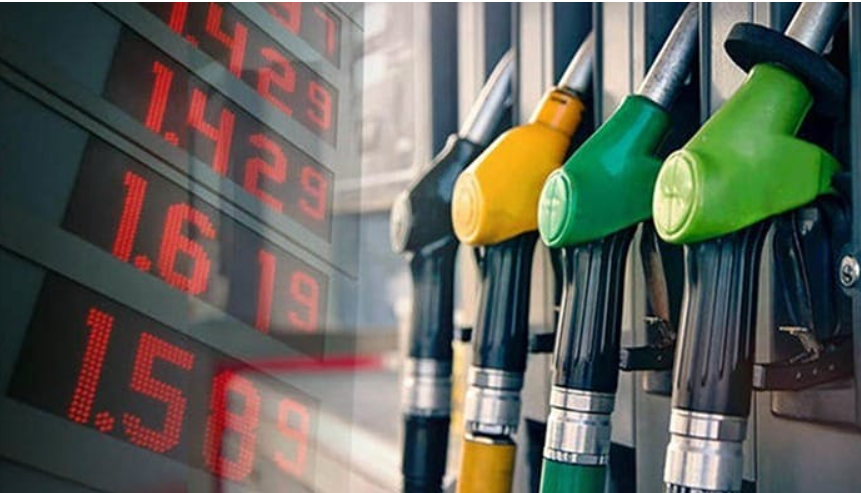
The rising cost of energy around the world is about to hit Morocco’s public finances again. The government plans to add 20bn dirhams, about $2bn, to the 2026 budget to reduce the economic impact of the conflict in the Middle East on the country.
The announcement comes after government spokesperson Mustapha Baitas confirmed that extra funding would be opened, without giving details at the time.
Morocco depends heavily on energy imports. It buys most of its oil, gas and coal from abroad and has no local oil refining capacity. Global supply problems linked to the war in the Middle East have pushed prices higher and increased risks.
The extra money will help the country build energy reserves in case the crisis continues. The aim is to protect people’s spending power by keeping prices stable for butane gas, electricity and transport.
Part of the funding will also pay for emergency measures after winter floods in northern Morocco. Some of the money will cover unexpected costs linked to global tensions and support certain public companies and institutions.
Despite the pressure, the government is keeping its economic growth forecast for 2026 at 5.3%, up from 4.6% in 2025. Better rainfall after years of drought is expected to boost agriculture and support the economy.
The government also wants to cut the budget deficit to 3% of GDP, helped by stronger growth and higher tax revenues. Public debt is expected to fall to 66% of GDP.
Subsidies to keep transport and electricity prices stable already cost the state heavily. Budget minister Fouzi Lekjaa said last month they cost around 648m dirhams every month.