

In a bold move to overhaul how household waste is handled, the government has launched a sweeping national program aimed at transforming an outdated and fragile system. Running through 2034, this initiative brings unprecedented public funding to a sector long plagued by technical inefficiencies, financial instability, and environmental risks.
Built on a model of shared governance, the program relies heavily on local governments, working closely with the General Directorate of Local Authorities, the operational arm of the Interior Ministry. Nearly 10 billion dirhams in public funds have been earmarked, with over 21 billion dirhams in additional investment planned over the next twelve years.
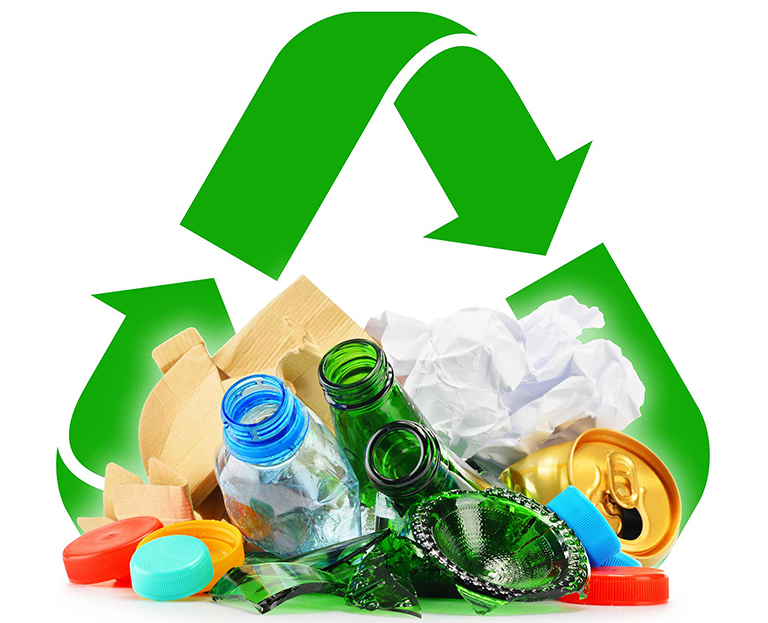
The ultimate goal is to shift from a collection-and-landfill approach to an integrated waste management system. This means more than just gathering trash-it involves sorting, processing, and most importantly, turning waste into a valuable resource. The plan includes building a nationwide network of state-of-the-art infrastructure: sorting centers, composting facilities, recycling platforms, and waste transfer stations-all distributed to ensure equal coverage across the country.
But the impact goes beyond infrastructure. There’s a strong social and economic focus, particularly on creating long-term jobs for young people and women. This initiative places the circular economy at the heart of local development, unlocking opportunities in recycling, logistics, repair, and maintenance—sectors that could become engines of inclusive growth.
One of the program’s key targets is to recover and repurpose at least 30% of household waste by 2034. That’s a significant leap from the current rate, which hovers below 10%. The remaining waste will be directed to properly regulated facilities, moving away from the chaotic landfills that have dominated the landscape for decades.
Technology also plays a central role in the transformation. The program will deploy digital monitoring tools, sensors, and smart platforms to track and manage waste flows more efficiently. It also includes a major public awareness campaign to promote better waste habits starting at the source-households.
Ultimately, the state aims to elevate waste management to the level of a modern public service-one that is environmentally responsible, economically viable, and aligned with the country’s climate commitments and broader vision for balanced territorial development.