
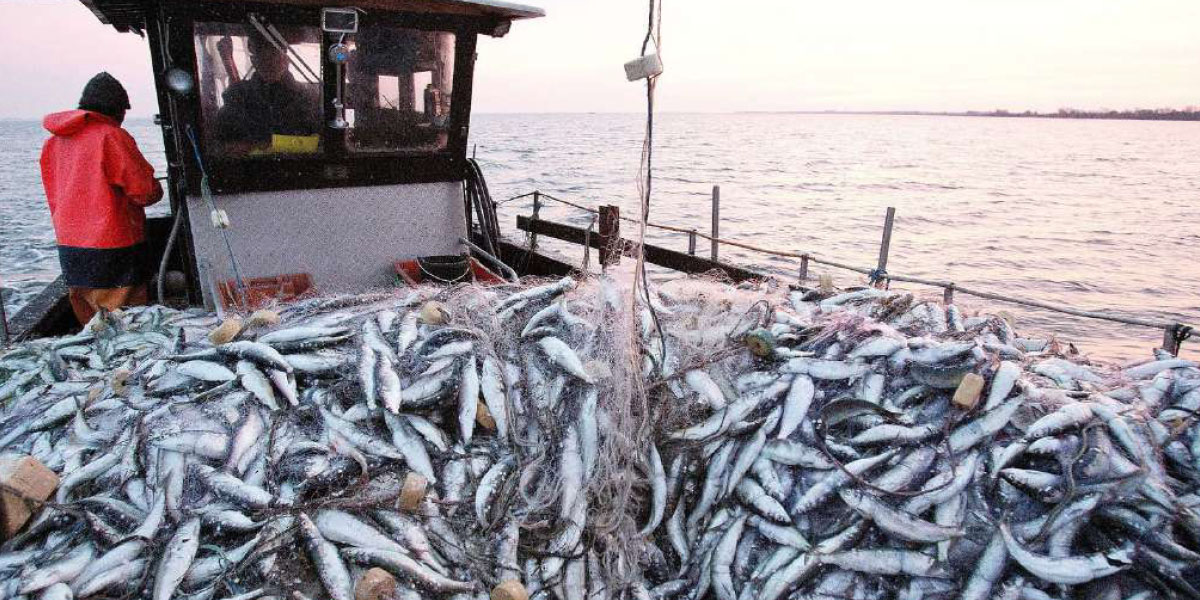
Morocco has shut its southern fishing area, known as Stock C, to boats targeting small fish, after scientists found large numbers of young sardines in the water.
The decision, announced by the State Secretariat for Maritime Fisheries, applies immediately and will last until the end of June.
The move follows research by the National Institute for Fisheries Research. Its monitoring showed that many of the sardines in the area are too small to have reproduced. Most were below the size at which they reach sexual maturity.
An underwater survey found a zone filled almost entirely with juvenile sardines, mainly at depths under 50 metres. Fishing boats that started the season on 16 February 2026 reported similar findings.
Officials said changes in sea conditions, including water temperature, have affected breeding and the growth of fish stocks. They warned that continuing to catch large numbers of young fish could weaken the stock and reduce future catches.
What the closure covers
The ban applies to vessels allowed to catch small pelagic species in Stock C, the southern zone stretching from Boujdour to Lagouira. This area is one of Morocco’s most important fishing grounds.
The aim is to reduce pressure on the stock, give young fish time to grow, and help rebuild sardine numbers in the region.
Industry professionals were consulted before the announcement and informed about the situation.
Impact on jobs and factories
The decision will affect fishing boats operating in the area, which must now stop activity there or move elsewhere.
Factories in cities such as Dakhla and Laayoune rely heavily on sardine supplies, especially for the canning industry. The closure until June is expected to disrupt that supply chain and put pressure on local jobs.
Long-term goal
Officials say the step is meant to protect the future of the fishery. Catching fish before they have a chance to reproduce can reduce overall stocks over time.
The temporary closure is part of efforts to manage fisheries more carefully and ensure the southern zone remains productive in the years ahead.