

After seven relentless years of drought, Morocco is finally seeing a shift toward more favorable weather conditions. Recent rainfall has brought much-needed relief to a country grappling with prolonged water shortages. On Monday, Water Minister Nizar Baraka confirmed before parliament that the crisis, which had strained both urban supply systems and rural livelihoods, appears to be easing.
This winter’s rains have been exceptional. Rainfall levels have surged by 95% compared to last year and are 17% higher than the seasonal average. These downpours have significantly replenished the country’s reservoirs, which are now at an average of 46% capacity. In some regions, key dams have even reached their maximum storage levels—an encouraging sign after years of worryingly low reserves.
For Morocco’s agricultural sector, which has been among the hardest hit, the recovery couldn’t come soon enough. Years of water scarcity slashed grain yields, decimated livestock numbers, and triggered widespread job losses in rural areas. In response to the crisis, authorities had already begun pivoting toward large-scale desalination as a long-term solution.
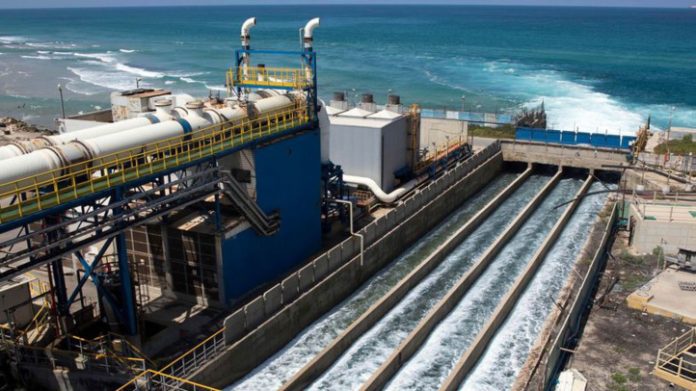
Despite the recent rainfall, the government has no plans to abandon that strategy. Morocco is pressing ahead with its ambitious goal: by 2030, 60% of its drinking water will come from desalinated seawater, up from the current 25%. The plan is to reserve freshwater stored in dams primarily for inland regions, which are especially vulnerable to water shortages. Baraka had outlined this strategy back in December, emphasizing that the country cannot afford to let its guard down even with the welcome return of rain.