
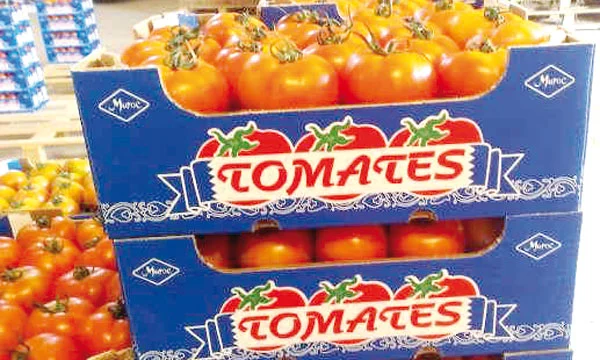
Moroccan tomatoes are causing tension in Europe, affecting both farmers and supermarkets. By the end of 2025, Morocco supplied more than seven out of every ten imported tomatoes from outside the EU. Between 2014 and 2023, imports of Moroccan tomatoes into Europe grew by over 40%. In just January and February 2026, European countries bought about 37,000 tonnes of Moroccan tomatoes, with around 27,000 tonnes going to France and Spain.
Morocco’s rise as a top tomato supplier is the result of years of government investment. Programs like the Green Morocco Plan and Generation Green have modernised farming. Big greenhouses in regions like Souss-Massa allow tomatoes to grow all year, and Tanger Med port can ship them to Europe in less than two days.
Water shortages are managed using desalination plants, like the one in Agadir, and efficient irrigation systems that use less water, including drip systems and hydroponics.
The increase in Moroccan exports has upset European farmers, especially in Spain and France. Moroccan tomatoes are cheaper because of lower labour costs and trade deals, making it hard for European growers to compete. Protests have turned violent at times, with trucks being blocked and thousands of euros worth of tomatoes destroyed. Transport companies say the police often do little to stop the damage.
Labelling has also caused disputes. A 2024 European Court of Justice ruling said tomatoes from Western Sahara cannot be sold as Moroccan. The EU now allows labels like “Dakhla-Oued Ed-Dahab” and “Laâyoune-Sakia El Hamra”. European farmers say these labels confuse shoppers, while officials say they follow the rules. Some consumer groups in Spain have filed complaints against supermarkets for not making the origin clear.
Environmental rules make things even tougher for European farmers. Limits on pesticides and fertilisers raise their costs, while Moroccan farmers face fewer restrictions. Moroccan cherry and snack tomatoes are often sold for less than €1 per tray, which European unions call “social dumping.”
There have also been problems with import data. In early 2026, official figures showed a sudden drop in Moroccan tomato imports, later explained as delays in customs reporting.
Many farmers still think politics played a role.