

Morocco is about to change how people get their medical costs reimbursed by introducing electronic health records. After being developed in 2025, the system is now being tested, starting with a pilot in Kénitra, and will gradually be rolled out across the country by summer.
The system works by digitising all communication between doctors, pharmacists, and the National Social Security Fund (CNSS). Doctors issue a digital prescription with a unique code. Patients take this code to the pharmacy, where the prescription appears instantly, and the CNSS is updated automatically after the medicine is given.
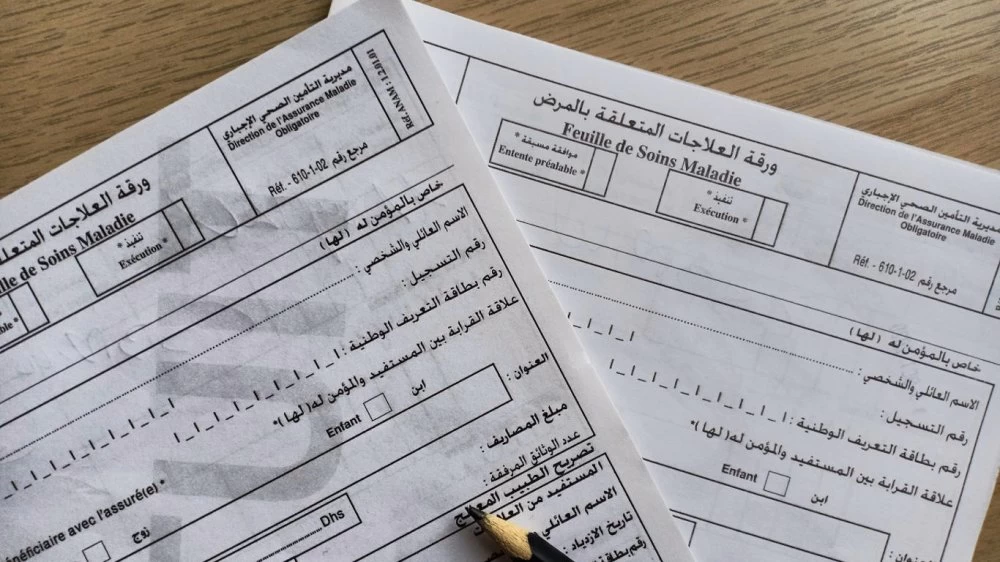
For patients, this means no more keeping paper forms or filing reimbursement claims. Everything happens automatically, so money gets processed faster. Pharmacists mainly see fewer admin headaches, as their core work, checking prescriptions, giving out medicine, and advising patients, stays the same.
This change is part of a bigger plan to modernise Morocco’s health insurance, which now covers many more people, including freelancers and former RAMED beneficiaries. Going digital also helps prevent fraud, stop duplicate claims, and eventually make it so patients don’t have to pay upfront for medicines—the pharmacy can see immediately what the insurance covers.
Most pharmacies won’t need extra equipment, as current tools can read the new codes. The pilot in Kénitra will test the system before it reaches bigger cities like Casablanca and Rabat.
Data privacy is a top priority. Morocco is building its own infrastructure to keep patient records safe and secure in the country.