
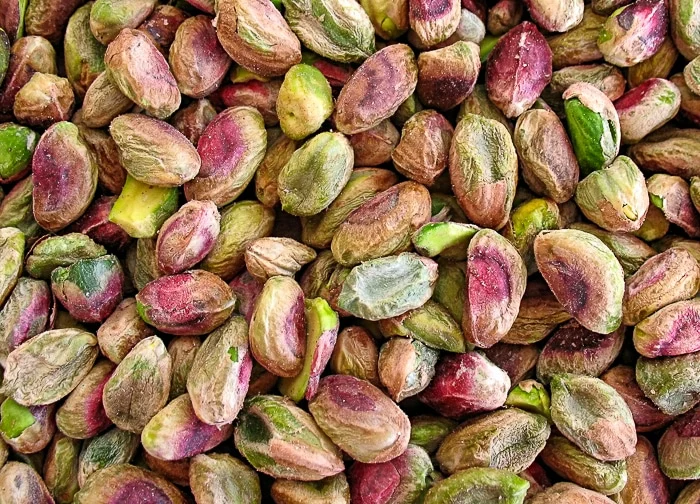
Morocco imported a record 4,050 tonnes of pistachios in 2025, worth $33.9 million a 27.5% increase from 2024. This is the highest amount the country has ever brought in, according to trade data from EastFruit.
Imports have been rising fast over the past six years, growing more than 11 times since 2019. The big jump is partly because Moroccans are eating more pistachios as snacks, using them in sweets like ghriba and baklava, and because food companies are exporting more pastries abroad. City shops and supermarkets are also making these nuts easier to buy than in the past.
The US is by far the main supplier, providing almost 92% of Morocco’s pistachios. Turkey is the second-largest, with shipments jumping more than three times in a year. Iran supplies a small share, around 2%.
Morocco isn’t just relying on imports. The government is encouraging farmers to grow pistachios at home as part of its Generation Green 2020-2030 plan. The idea is to plant trees in dry areas like Oriental and Marrakech-Safi, where pistachios can handle tough conditions. Farmers are focusing on the Kerman and Larnaka varieties, which do well in Morocco and are good for processing.
Pistachio trees take time to grow – about 7 to 10 years to give a decent harvest and almost 20 years to reach full production. But they are tough trees. They can survive heat, poor soil, and need a lot less water than crops like citrus or almonds. For example, one hectare of pistachios needs about a third of the water that a hectare of citrus would need. This makes them perfect for Morocco’s drier regions.
Spending $33.9 million on imports is a lot of money leaving the country. By growing pistachios locally, Morocco hopes to reduce imports and eventually process and export nuts to Africa and Europe.
Globally, pistachios are known as “green gold” because they’re one of the most profitable crops per acre. The US dominates production with advanced irrigation and machines, which explains why Morocco depends on American suppliers. Other countries, including Spain, Turkey, and Iran, are also planting more, making the global market competitive.