

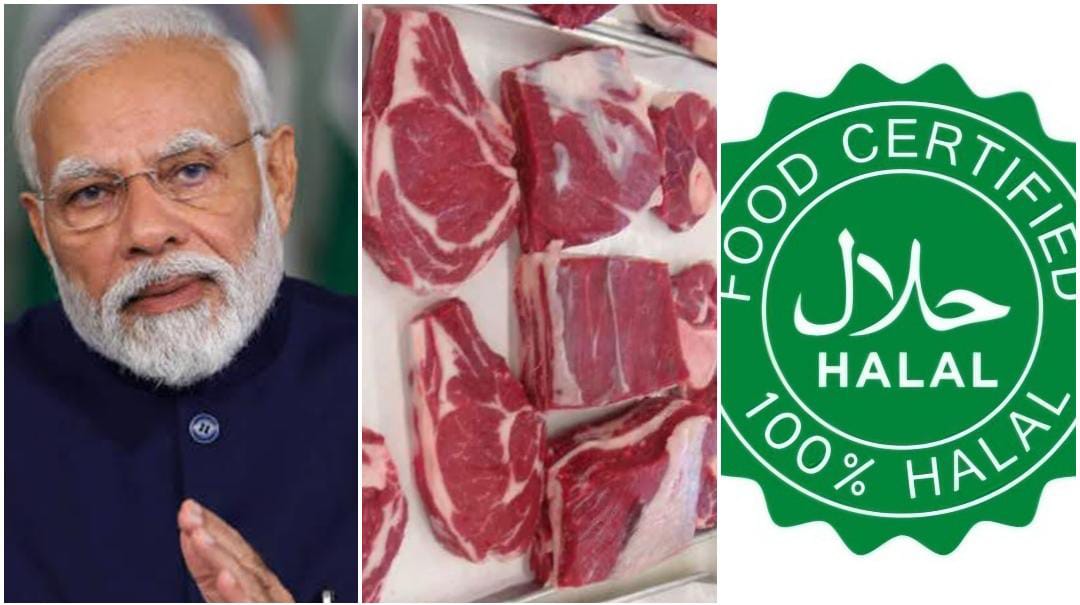
Morocco has been added to India’s list of countries requiring Halal certification for meat exports, according to a notification from the Indian Directorate General of Foreign Trade (DGFT).
The change affects Moroccan importers of bovine, sheep, goat, and poultry meat.
The new rule is part of India’s India Conformity Assessment Scheme (i-CAS) and applies to shipments certified by bodies accredited by the National Accreditation Board for Certification Bodies (NABCB).
Morocco, along with 19 other countries, is now included in the mandatory certification framework.
The DGFT has set a two-week transition period for Morocco, meaning the requirement becomes strictly enforceable from 23 February 2026. Egyptian imports have a six-month transition. Exporters must also comply with Moroccan Halal slaughter regulations to avoid delays or rejection at ports.
Morocco is simultaneously boosting its domestic meat supply, suspending import tariffs in 2026 and investing $670m to replenish cattle and sheep herds. India faces competition from EU suppliers, and traders are advised to verify partners carefully due to market volatility.
The mandatory Halal certification applies to a range of meat products, including frozen boneless buffalo meat (HS 02023000), other bovine offal, sheep and goat meat, poultry, and processed products such as sausages (HS 1601–1602).
Exporters are urged to match certificate descriptions precisely with shipping documents to comply with Moroccan customs.