
Morocco has moved two large green hydrogen projects into the development stage after Spanish energy firms Acciona and Moeve secured preliminary land agreements from the government.
The deals were signed last Thursday as part of the country’s “Morocco Offer” plan, launched in 2024 to make the kingdom a major global hub for clean energy. The companies were preselected in March 2025. They must now show that their projects are technically sound, financially solid and ready to move forward. The shift to the next phase was confirmed on 5 February at a meeting in Rabat led by Head of Government Aziz Akhannouch.
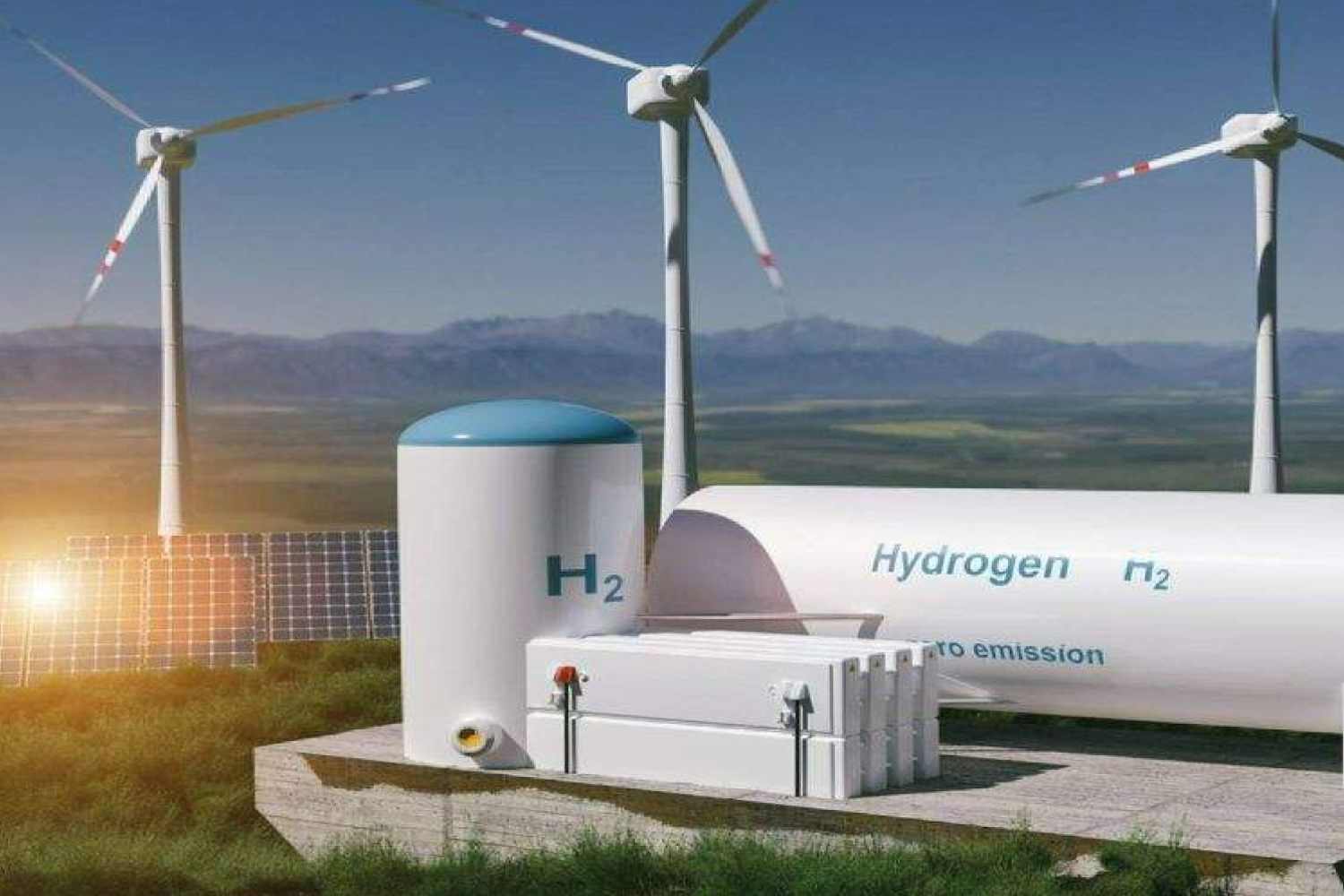
Morocco is relying on its strong sun and steady coastal winds to produce green hydrogen. Few countries have both in the same areas. This allows hydrogen plants, which split water into hydrogen using electricity, to operate more steadily.
The government is also targeting Europe. The European Union plans to import 10 million tonnes of green hydrogen by 2030. Morocco hopes to become a key supplier, using its southern regions to generate power and its northern ports to ship products abroad. Officials say the country aims to capture 4% of global demand.
Moeve, formerly known as Cepsa, has partnered with Taqa Morocco, part of Saudi Arabia’s TAQA Group, to build a large green ammonia and fuel complex at Jorf Lasfar Port. Taqa Morocco will provide renewable electricity from projects in the south, while Moeve will lead fuel production.
“This agreement represents an important step toward bringing large-scale green molecule production to Morocco,” said Moeve chief executive Maarten Wetselaar. He said the project combines renewable power and fuel expertise to cut emissions in heavy transport.
In a separate project, the ORNX group, which includes Acciona, German firm Nordex and US-based Ortus, secured land in Laayoune for a project worth $4.5bn. It plans to install more than two gigawatts of renewable energy capacity to power a 900-megawatt hydrogen plant. The aim is to produce 100,000 tonnes of hydrogen each year and convert it into about 560,000 tonnes of green ammonia.
These projects are part of a wider investment plan worth 319bn dirhams, or about $31.9bn. Morocco has set aside one million hectares of land for green hydrogen development and selected five main groups from nearly 40 proposals.
Alongside the Spanish and Saudi-backed projects, the selected groups include Saudi Arabia’s ACWA Power, Morocco’s Nareva and a group led by China Three Gorges. French energy firms TotalEnergies and Engie are working on separate tracks but are not part of this first selection.
Beyond exports, Morocco wants to reduce its dependence on imported ammonia, which is widely used in its phosphate and fertiliser industry. Producing green ammonia at home would help protect the economy from swings in global fossil fuel prices.
The government says the strategy is designed to turn Morocco’s sun, wind and location close to Europe into long-term economic strength.