
The United States is increasing its cooperation with Morocco to make sure it can access critical minerals amid growing global supply risks.
Kevin Hassett, White House economic adviser, told CNBC that Morocco now plays “a key role” in Washington’s plans. “No country in the world has all the critical minerals needed,” he said. “It is essential to have a network of countries ensuring a reliable supply.”
🇺🇸🇲🇦#FLASH| Le conseiller économique de la Maison Blanche, Kevin Hassett, révèle sur CNBC que les États-Unis 🇺🇸 ont approché le Maroc 🇲🇦 pour sécuriser leur approvisionnement en engrais suite au blocage du détroit d’Ormuz.pic.twitter.com/oU6WHhHL4R https://t.co/miWVnsy1qZ
— Morocco Intel (@MoroccoIntel) March 17, 2026
Hassett pointed out that “90-and-some percent” of certain minerals are controlled by a single country. He called this situation “unhealthy for the global economy” and for global stability. He said Morocco, like other countries, has “a direct interest” in joining this international effort.
Morocco is already a major producer of phosphates, holding more than 70% of the world’s known phosphate rock reserves. While phosphates are mostly used in fertilizer, they are becoming important in technology. Lithium Iron Phosphate (LFP) batteries, used by carmakers like Tesla and Ford, rely on them. These batteries are cheaper and more stable than cobalt-based ones.
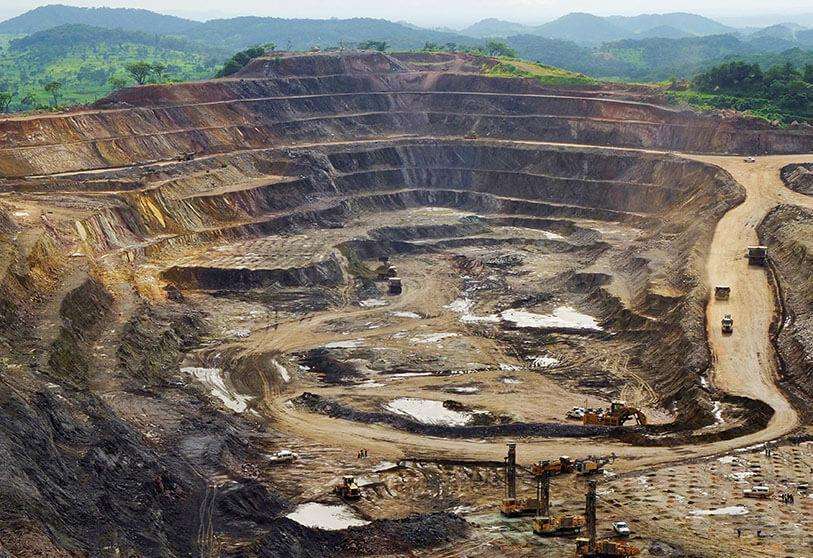
Morocco also produces other critical minerals needed for the energy transition. It is one of the few countries outside the Democratic Republic of Congo producing significant cobalt, and most of this cobalt is mined directly rather than as a byproduct, which makes the supply cleaner. The country also mines fluorspar, used in chemical manufacturing, and copper, which is essential for all electrical grids.
Hassett said Morocco’s mineral deposits and its willingness to invest in processing make it a reliable partner. He also said the cooperation is part of a wider effort to supply refined and finished materials globally.
🇲🇦🇺🇸#FLASH| Pour Marco Rubio, le Maroc occupe une place centrale dans le nouveau bloc promu par Washington 🇺🇸 autour des minéraux critiques :
« Le Maroc peut jouer un rôle clé dans la sécurisation des chaînes mondiales des minéraux critiques [..] Ils disposent de ressources en… https://t.co/QlD7oVO50K pic.twitter.com/ddE5UiiEyC
— Morocco Intel (@MoroccoIntel) February 4, 2026
The U.S.-Morocco Free Trade Agreement (FTA), signed in 2004, is the only U.S. FTA with an African country. Under the U.S. Inflation Reduction Act (IRA), electric vehicle tax credits often require battery minerals to come from countries with a free trade agreement. This makes Morocco a key source for manufacturers trying to reduce reliance on Chinese supply chains.
Morocco has also built strong infrastructure to support mining and exports. The Port of Tangier Med, Africa’s largest port, links directly to U.S. East Coast ports. The country is also increasing its use of renewable energy, aiming to get 52% of its electricity from solar and wind by 2030. This helps Western companies source minerals processed with low carbon emissions.
When Hassett talks about one country controlling “90-and-some percent” of minerals, he is referring to China, which dominates refining of rare earth elements and graphite. By including Morocco “at the table,” the U.S. wants to build a “China-neutral” supply chain. This is part of a bigger plan called “friend-shoring,” where trade is routed through allies to reduce economic risks in international disputes.
Hassett said it is important to have a “reliable and diversified” global supply of processed materials. He thanked Morocco for being “at the table” and for its willingness to contribute to this global strategy.