

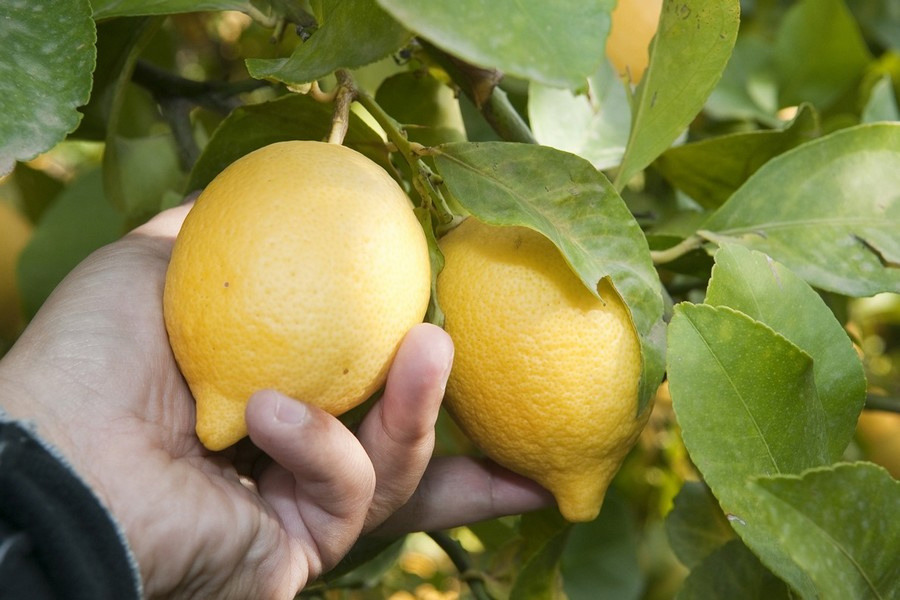
Morocco has posted its best lemon export campaign in five seasons, shipping 9,700 tonnes between November 2024 and October 2025, according to data published by EastFruit.
The figure marks an 80% rise from the previous season, when exports fell to 5,300 tonnes, and ends four consecutive years of decline. Export revenues exceeded $5m.
It is the highest level since 2010/2011, when shipments reached a record 18,000 tonnes. Morocco had come close to that peak in 2019/2020 with 17,000 tonnes before volumes contracted steadily over the following four seasons.
The recovery has been linked to improved orchard management and better control of water stress despite ongoing drought conditions. New plantations entering production and higher yields per hectare also helped secure a larger exportable supply.
The export calendar also shifted. Shipments traditionally peaked in February before slowing from April. In the latest season, April became the strongest month, with volumes remaining firm in May. Exporters said improved storage and post-harvest handling allowed sales to be spread more evenly and target better prices.
Mauritania remained Morocco’s largest market, accounting for 45% of total volumes and marking a fourth straight year of growth. The United Kingdom ranked second and imported more than 1,000 tonnes for the first time in 17 years. Russia took 9.2% of shipments.
Exports to the Netherlands and Canada resumed, while sales to France fell by 20%. Shipments to smaller markets doubled, pointing to wider diversification.
Morocco operates in a competitive market dominated by Spain and Turkey. Spanish producers have faced rising costs and weather disruptions, while Turkey remains strong in Russia. Industry figures say Morocco is increasingly viewed as a stable supplier, particularly in northern Europe.
For the 2025/2026 season, the sector is also looking to expand higher value exports such as lemon oil and concentrated juice, as it seeks to stabilise growth and move closer to 15,000 tonnes in the coming years.