
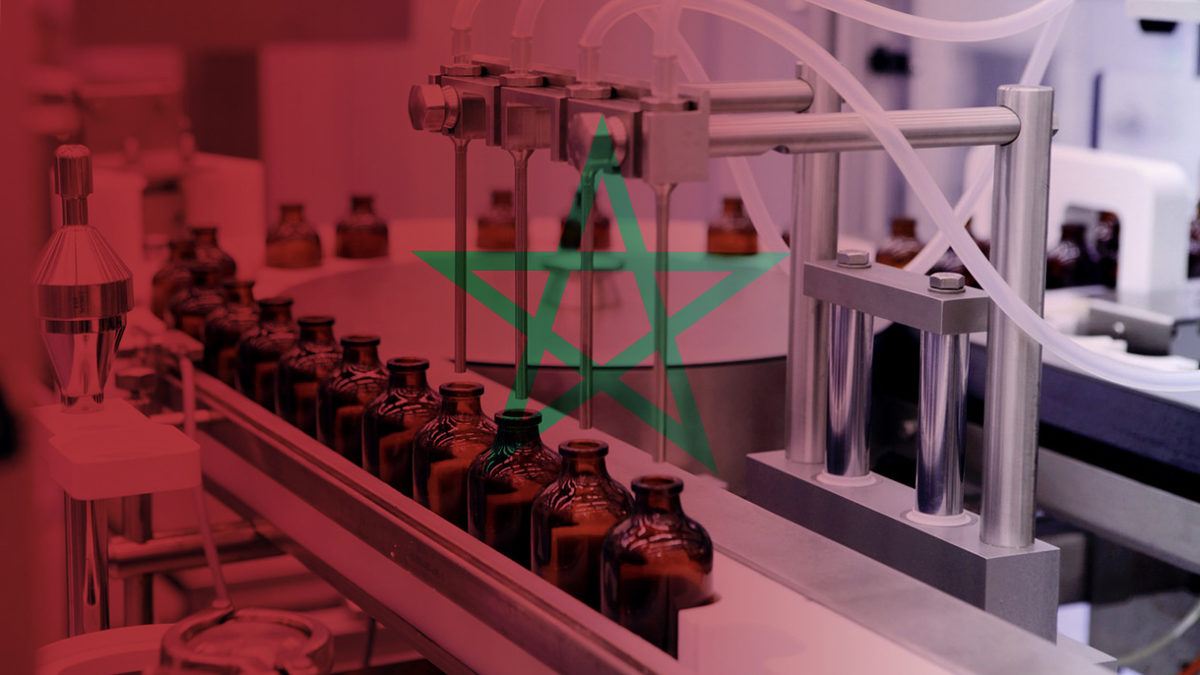
Morocco has signed a new deal aimed at building its own medical device industry and cutting its heavy reliance on imports.
The agreement was signed on Wednesday at the second Medical Device Day in Casablanca. It brings together the health and industry ministries, the medicines agency, business leaders from the CGEM and the Moroccan Federation of Health Industries.
The framework agreement runs from 2026 to 2030 with the goal to make more medical devices in Morocco, buy less from abroad and secure supplies for the health system..
Officials say the move fits into Morocco’s wider shift towards industrial and health sovereignty, a push that gathered pace after 2020. The country has already built strong positions in cars and aerospace. Healthcare is now next in line.
At present, between 85 and 90 precent of medical devices used in Morocco are imported. That includes basic items such as consumables, as well as more complex equipment. The new plan aims to change that balance by backing local factories and attracting new investment.
The deal focuses on several fronts. It promises support for companies that want to manufacture locally, help with funding and exports, and closer links between Moroccan and international firms.
Training is also a key part, with a push to build skills that the sector currently lacks.
There is also a strong focus on quality. Any product made locally must meet strict safety and performance rules set by the Moroccan Agency of Medicines and Health Products.
The medical device sector is still small but growing fast. It employs around 1,400 people, with investments of 376 million dirhams and annual sales close to 900 million dirhams. Nearly half of that value is created locally, a sign of rising know-how.
Industry leaders say the longer-term aim is not just to serve Morocco, but to turn the country into a regional base for exports to Africa. If it works, the plan could reduce import bills, boost jobs and give Morocco a stronger hand in a critical sector.