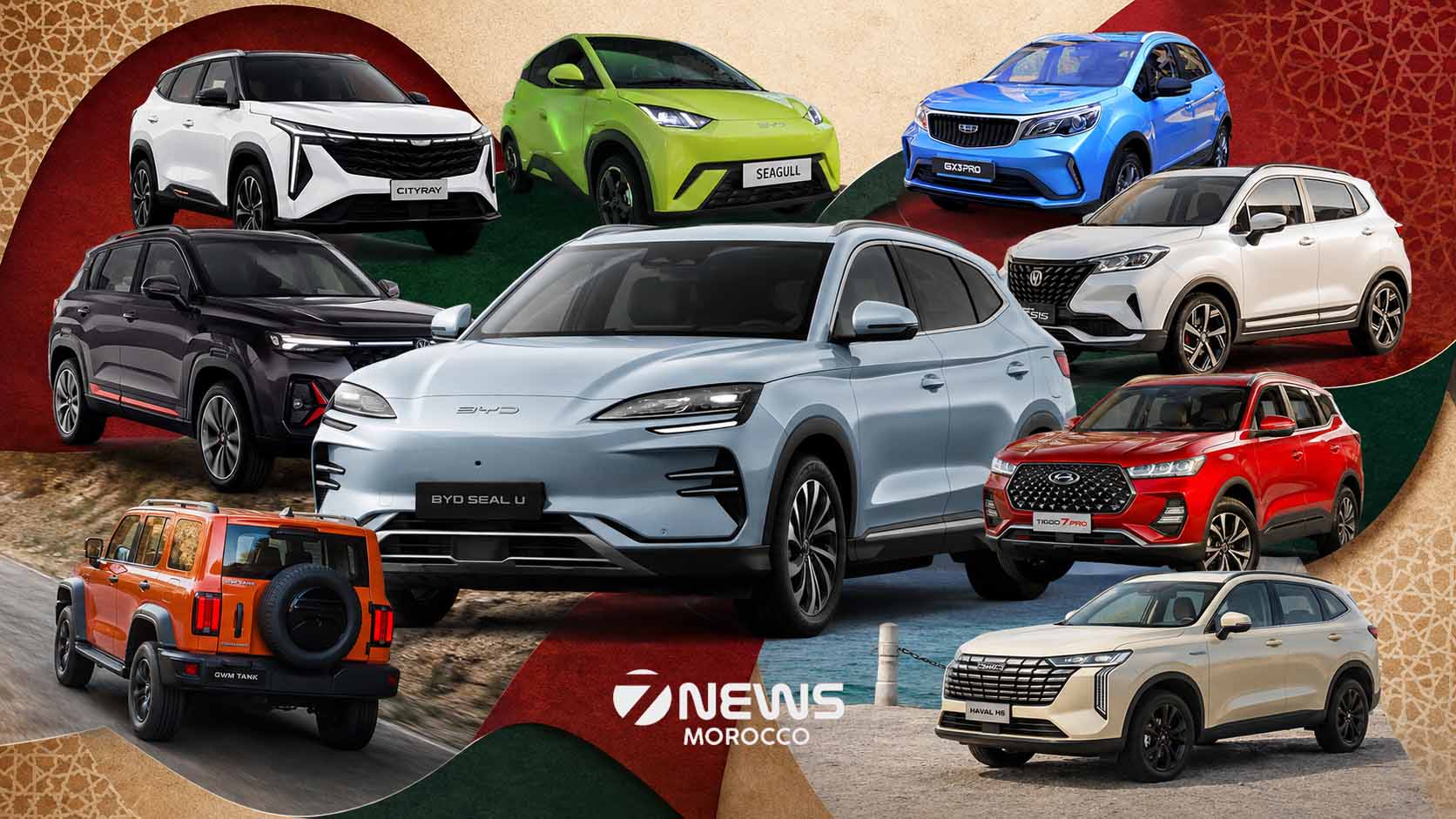
A car showroom in Morocco looks a little different these days. Alongside the familiar diesel models are more hybrids and electric cars, many carrying Chinese badges. The change is showing up in the sales figures. In the first seven months of 2026, Moroccans registered 152,486 vehicles, 15.7% more than during the same period last year, according to the Association of Vehicle Importers in Morocco (AIVAM).
That puts the market on track for another strong year after a record 235,372 vehicles were sold in 2025.
But the most interesting part is not the number of cars sold. It is the type of cars people are choosing.
Diesel is losing its grip
For years, diesel was the default choice for many Moroccan drivers. It still accounts for nearly two-thirds of the market, but its lead is shrinking.
Diesel cars made up 64.4% of sales in the first seven months of 2026. In 2024, they accounted for more than four out of every five vehicles.
Meanwhile, electrified cars are becoming much easier to spot on Moroccan roads.
They accounted for 17% of passenger-car sales in the first seven months of the year, compared with 10.5% in 2025. In total, 22,963 electrified vehicles were sold, 86.3% more than a year earlier.
Behind that jump is a simple change in the choices available to buyers.
Chinese brands are gaining ground
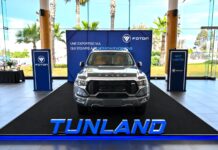
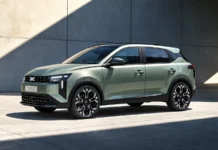
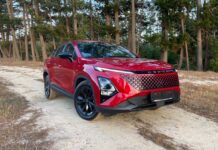
Chinese manufacturers have moved from being a small presence to a serious part of the market.
More than 21 Chinese brands sold 15,161 passenger cars between January and July. Together, they took 11.2% of the market, up from 5.1% a year earlier.
Put another way, roughly one in every nine passenger cars sold in Morocco now comes from a Chinese brand.
BYD is leading the group. Its sales reached 3,702 vehicles in 2025, compared with 701 a year earlier. Its cars include the Seal U, Atto 3 and Dolphin.
Changan followed with 1,898 sales in 2025, while GWM, which includes Haval and Tank, sold 1,439.
Chery and Geely have also been growing quickly.
The attraction is not only price. Chinese manufacturers are bringing technologies that were barely seen in Morocco a few years ago.
One example is the range-extended electric vehicle, or REEV. It drives on electric power but carries a small petrol engine that can generate electricity when the battery runs low.
Moroccan buyers bought 1,402 of these vehicles in the first seven months of 2026. That was more than the 1,213 fully electric cars sold during the same period.
Plug-in hybrids are also gaining attention. Sales jumped 145% to 7,131 vehicles.
For drivers worried about finding a charger on a long trip, these cars offer a middle ground: electric driving for everyday use, with a petrol engine available when needed.
Businesses are buying more vehicles too
The change is also visible among companies.
Light commercial vehicle sales rose 32.3% in July to 2,653 vehicles. Across the first seven months of the year, sales were up 19.5%.
These are the vans and small trucks used by delivery companies, tradespeople and small businesses. Their rising sales suggest that companies are continuing to invest in their fleets.
Chinese brands are already well established in this market. DFSK sold 2,778 light commercial vehicles in 2025, while Dongfeng sold 1,460.
A market that is becoming harder to recognise
Chinese manufacturers have also avoided one of the biggest problems facing new car brands: building a sales and service network from scratch.
They have teamed up with established Moroccan distributors. BYD works with Auto Hall, Changan with Bugshan Automotive and Geely with Bamotors.
That gives the newcomers something buyers care about almost as much as price: somewhere nearby to buy a car, get it serviced and find spare parts.
The result is a market changing on several fronts at once.
More people are buying cars. Diesel is losing ground. Hybrids and electric vehicles are moving into the mainstream. And Chinese brands, once a minor presence, are becoming hard to ignore.