

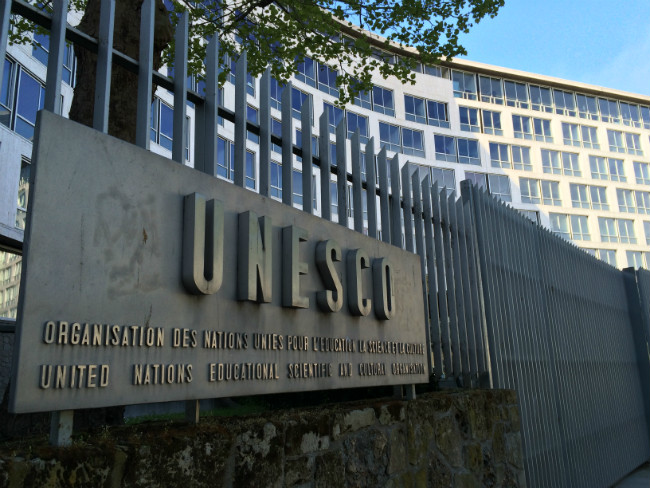
Morocco now boasts sixteen cultural traditions recognized by UNESCO as part of humanity’s intangible heritage, reflecting a deep and diverse legacy of artistic expression, social customs, and ancestral know-how. These distinctions span both uniquely Moroccan practices and those shared across the broader Mediterranean and Arab-Muslim worlds.
Several of the recognized elements are deeply rooted in Moroccan identity alone. The first to receive international recognition were the Tan-Tan Moussem—a traditional tribal gathering—and the cultural life surrounding Jemaa El-Fna square in Marrakech, both added to the UNESCO list in 2008. In the years that followed, more uniquely Moroccan traditions earned their place: the Sefrou Cherry Festival in 2012, the artisanal knowledge linked to the argan tree in 2014, and the hypnotic Gnaoua musical repertoire in 2019.
The martial dance of Taskiwin from the western High Atlas was given urgent safeguarding status by UNESCO in 2017, acknowledging its risk of disappearing. The traditional equestrian art of Tbourida was recognized in 2021, followed by the poetic and musical tradition of Malhoun in 2023. Most recently, in 2025, the Moroccan caftan—celebrated for both its craftsmanship and cultural symbolism—was officially added to the list.
Other elements are shared with neighboring cultures and reflect a broader regional heritage. The Mediterranean diet, a hallmark of communal eating and seasonal produce, was jointly recognized in 2013. In 2020, couscous—along with the rich culinary knowledge surrounding it—joined the list, thanks to a collaborative effort involving multiple North African countries. Falconry, Arabic calligraphy, the cultural practices tied to date palms, and the intricate art of engraving precious metals have also earned international distinction. In 2024, henna—revered for both its aesthetic use and social significance—was added to this growing tapestry of shared traditions.
Together, these entries paint a vibrant picture of Morocco’s living heritage, blending centuries-old customs with evolving cultural identities, both local and transnational.