

Morocco’s economy grew by 4.1% at the end of 2025, a little slower than last year, according to the High Commission for Planning. The slowdown was mainly because non-farming activities were weaker, but agriculture made a strong comeback after a tough 2024.
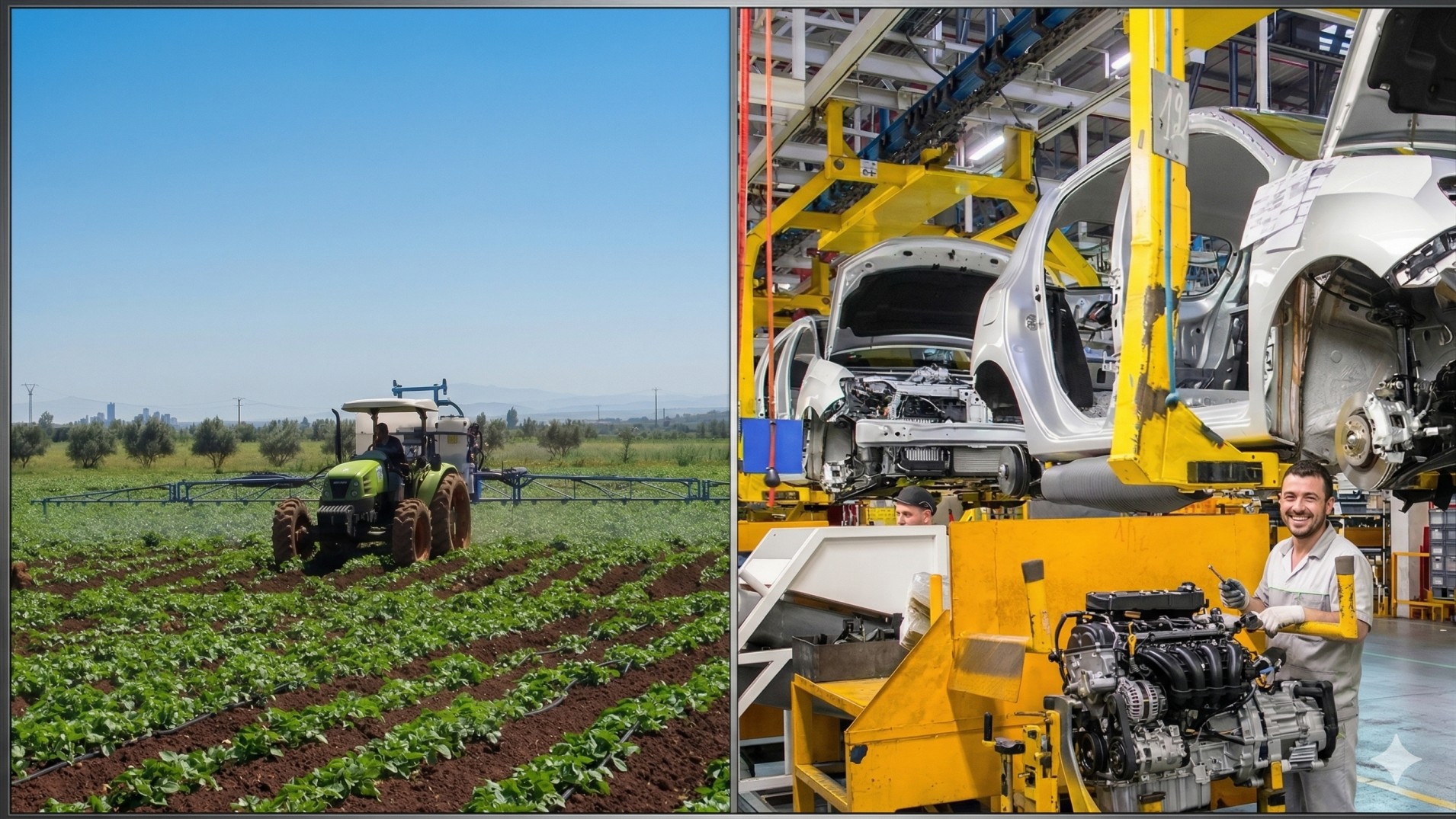
Thanks to heavy winter rains, Morocco’s farms bounced back, with dams full and crops looking much better. Farming grew almost 5% after shrinking the year before, boosting incomes in rural areas and helping food supply.
Fishing, however, struggled again, falling more than 13%, partly because of conservation efforts and changes in sea life.
Manufacturing, especially cars and aircraft parts, did well, showing Morocco is becoming a key hub for Europe. Mining fell by 3.4%, and construction and utilities slowed a bit.
Services like banking, education, health, hotels, transport, and trade grew more slowly, at 4.4%, down from 5.4%. Tourism is still strong, but growth is settling back after a post-pandemic boom.
Prices rose more slowly, with inflation dropping to 2.7% from nearly 5% last year. Families kept spending, up 4.4%, and the government increased its spending by 7.9%, keeping the economy moving.
Internal demand, which is what people and the government spend, was the main driver of growth. Investment slowed a bit, but big projects like stadiums, high-speed trains, and airport upgrades ahead of the 2030 World Cup are still going. Morocco is spending more than it saves, relying on foreign funding to cover the gap.
Growth is increasingly coming from cars, aircraft parts, and green energy projects. Infrastructure and renewable energy investments are modernising the economy, but Morocco still depends on outside funding.
Jobs remain a challenge. Most growth comes from big, capital-heavy projects rather than labour-heavy ones, so young people in cities may not see the benefits right away.